
Power steering fluid is a crucial hydraulic fluid that helps your steering system operate smoothly and with minimal effort. Without it, turning the steering wheel would be much harder, especially at low speeds or when parking. One of the most common questions car owners ask is: How much power steering fluid does a car actually need?
How Much Power Steering Fluid Does a Car Need
Most cars need between 0.7 and 1.5 liters of power steering fluid for the full system, depending on the vehicle size and steering design. Smaller cars typically use around 0.7–1.0 liters, while larger sedans, SUVs, and trucks may require 1.0–1.5+ liters.
However, during routine maintenance or topping up, you usually only add a small amount, often 50 ml to 300 ml, depending on how low the reservoir is. A full refill is only needed during a complete system flush or after major repairs.
- Small cars (hatchbacks, compact sedans): 0.7 – 1.0 liters
- Mid-size sedans and SUVs: 1.0 – 1.3 liters
- Larger SUVs and trucks: 1.3 – 1.5+ liters
Related Can You Use Transmission Fluid for Power Steering Fluid
Best Power Steering Fluid
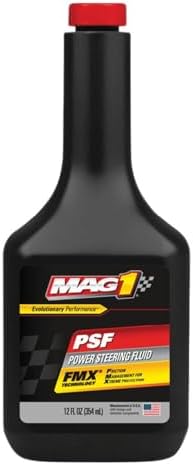


How Much Fluid Do You Actually Add?
When topping up power steering fluid, you typically add:
- 50 ml to 300 ml for minor low-level corrections
- 300 ml to 800 ml if the system is significantly low
- Up to full capacity (1–1.5 liters) only during a complete flush or replacement
If your power steering fluid is consistently low, it usually indicates a leak or worn components, not normal consumption.
Related How Much Transmission Fluid Do I Need(for All Vehicles)
Factors That Affect Power Steering Fluid Capacity
Several factors determine how much fluid your car needs:
1. Vehicle Type and Size
Larger vehicles naturally have longer steering racks and bigger reservoirs, meaning they require more fluid.
2. Steering System Design
There are different types of hydraulic steering systems:
- Rack-and-pinion systems (common in small cars)
- Recirculating ball systems (common in older or heavy-duty vehicles)
Each design has different fluid volume requirements.
3. Reservoir Size
The power steering reservoir is where you check and top up fluid. Some reservoirs are small and require frequent monitoring, while others hold more fluid for longer intervals.
4. System Condition
A new or well-maintained system holds fluid consistently. A worn system may lose fluid due to leaks in:
- Steering rack seals
- Pump seals
- Hoses and connections
Related How Much Fluid in a 700R4 Transmission(+ Recommended Oil)
How to Check Power Steering Fluid Level
Checking your power steering fluid is simple and can prevent costly repairs.
Steps:
- Park the car on level ground
- Turn off the engine (unless the manual specifies otherwise)
- Locate the power steering reservoir (usually labeled)
- Check the dipstick or transparent reservoir markings
- Ensure the fluid is between “MIN” and “MAX” levels
Some modern cars may not have a dipstick; instead, they use a sealed or semi-sealed system that requires visual inspection.
Related Car Washer Fluid Symbol(What It Means & 5 Causes)
Signs Your Car Needs Power Steering Fluid
If your fluid level is low, your car will usually show symptoms before serious damage occurs. Common signs include:
1. Hard Steering
The steering wheel becomes stiff, especially at low speeds.
2. Whining or Groaning Noise
A low fluid level causes air to enter the system, producing a whining sound when turning.
3. Jerky Steering Response
The steering may feel uneven or inconsistent.
4. Fluid Leaks Under the Car
Reddish or amber fluid under the front area of the car may indicate a leak.
5. Foamy Fluid in Reservoir
Air contamination from low fluid levels or leaks can cause foaming.
If these symptoms appear, checking and topping up fluid should be done immediately.
Related Car Lift Hydraulic Fluid(Top 5 Best Picks 2026)
How to Add Power Steering Fluid
Adding fluid is straightforward, but it must be done carefully.
Steps:
- Clean the reservoir cap area to avoid contamination
- Open the reservoir cap slowly
- Use the correct type of power steering fluid recommended for your vehicle
- Pour slowly to avoid overfilling
- Stop when the level reaches the “MAX” mark
- Secure the cap tightly
After filling, start the engine and turn the steering wheel left and right a few times to circulate the fluid and remove air bubbles.
Common Mistakes to Avoid
Many drivers make simple errors when handling power steering fluid. Avoid these:
Overfilling
Too much fluid can increase pressure and damage seals.
Using the Wrong Fluid
Different systems require different fluid types (ATF or specific power steering fluid). Using the wrong one can reduce performance.
Ignoring Leaks
Constantly topping up without fixing leaks can lead to pump failure.
Mixing Fluid Types
Mixing incompatible fluids can cause foaming or system damage.
Related Transaxle Fluid Transmission Fluid(For All Car Models)
When to Replace Power Steering Fluid
Unlike engine oil, power steering fluid does not need frequent replacement. However, it should be changed every:
- 50,000 to 100,000 km, or
- 3 to 5 years, depending on driving conditions
Signs it needs replacement include:
- Dark or dirty fluid
- Burning smell
- Noisy steering system
- Reduced steering performance
A full fluid flush is usually done by a mechanic using specialized equipment.
FAQ: Power Steering Fluid
How much power steering fluid does a car need?
Most cars require between 0.7 and 1.5 liters for the full system. However, top-ups usually need only a small amount, often under 300 ml.
Can I drive with low power steering fluid?
It is not recommended. Driving with low fluid can damage the power steering pump and make steering difficult and unsafe.
What happens if I overfill power steering fluid?
Overfilling can cause pressure buildup, leaks, and damage to seals and hoses in the system.
How often should I check power steering fluid?
It’s good practice to check it every oil change or at least once every few months.
Can I use any power steering fluid?
No. Always use the type specified in your car’s manual. Some vehicles require ATF, while others need specific hydraulic fluid.
Does power steering fluid get used up?
It should not be consumed during normal operation. If the level drops, there is likely a leak in the system.
Final Thoughts
Power steering fluid is a small but essential part of your car’s steering system. While the total amount a car needs is generally between 0.7 and 1.5 liters, most drivers will only ever add small amounts during maintenance.
Understanding how much your car needs, how to check it, and what symptoms to watch for can help you avoid costly repairs and keep your steering system smooth and responsive.
Regular inspection and timely top-ups are the simplest ways to ensure your steering system stays in good condition for years.