

One of the most trusted specifications in the trucking industry today is the Eaton PS-386. This spec represents a new generation of synthetic transmission lubricants engineered to reduce operating temperatures, extend drain intervals, and provide exceptional protection in high-torque applications.
This guide explains PS-386, why it matters, and the top 5 PS-386-compatible fluids available.
PS-386 Transmission Fluid
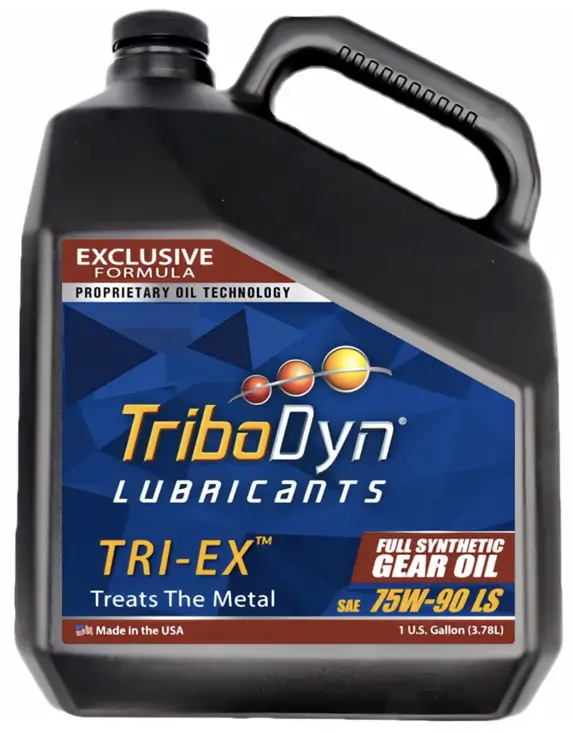
1. TriboDyn TRI-EX Full Synthetic Gear Oil (75W-90)
Key Features:
- Meets or exceeds the Eaton PS-386 specification
- Full synthetic formulation
- Excellent thermal and oxidation stability
- Features ceramic-enhanced additive technology for reduced friction
- Ideal for manual transmissions, transaxles, and differentials
- Available in multiple viscosities and container sizes
This fluid is highly regarded for its strength under high-torque conditions. The ceramic additive system helps reduce wear and noise, making it suitable for both work trucks and heavy-duty applications.
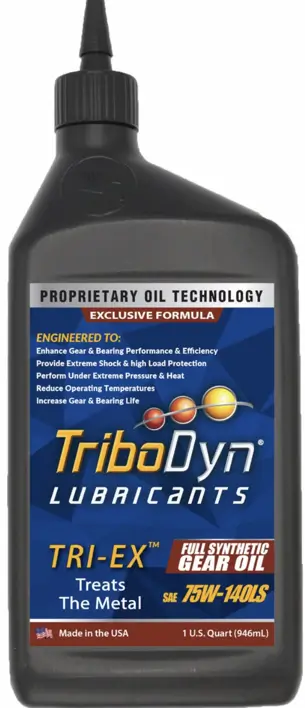
2. TriboDyn TRI-EX 75W-140 Full Synthetic Gear Oil
Key Features:
- Fully synthetic and PS-386 compatible
- High-viscosity option for heavy load applications
- Enhanced shear resistance for extreme pressure environments
- Formulated for extended service life
- Provides corrosion protection and improved film strength
This is a great choice when you need a higher viscosity fluid, especially in equipment that frequently pulls heavy loads or operates in extreme temperatures.
Related Mopar ATF+4 Transmission Fluid Equivalent(Top 5 Best Picks)
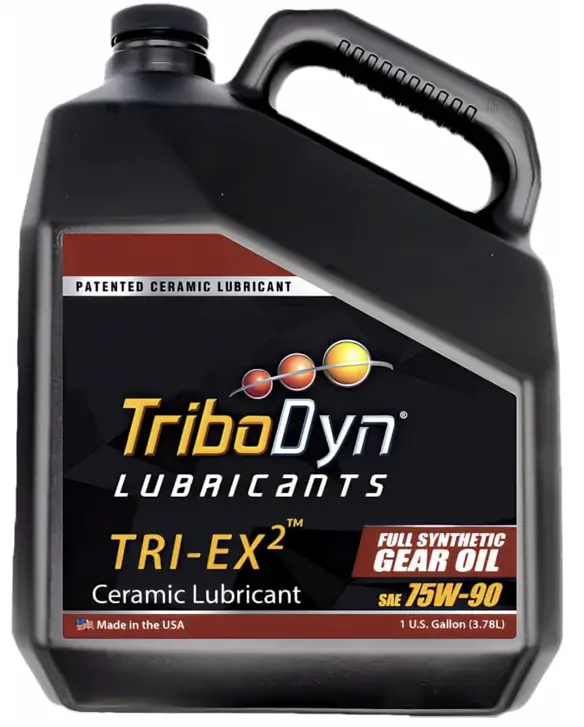
3. TriboDyn TRI-EX 75W-90 (Ceramic Additive Version)
Key Features:
- Incorporates advanced ceramic bonding additives
- Exceeds PS-386 requirements
- Excellent wear protection under heavy torque
- Suitable for both manual transmissions and gear-driven systems
- Maintains viscosity over long service intervals
This variant is engineered with a focus on reducing metal-to-metal contact through ceramic film formation. It’s commonly used in demanding fleet environments.
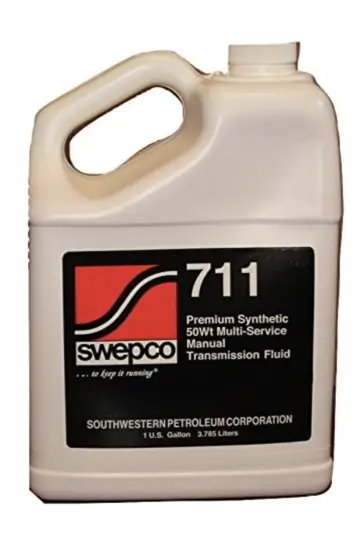
4. SWEPCO 711 SAE 50 Synthetic Transmission Fluid
Key Features:
- Formulated to meet the PS-386 specification
- SAE 50 viscosity suited for Eaton Fuller-style transmissions
- Designed for long drain intervals
- Provides seal protection and reduces foaming
- Excellent oxidation resistance
- Available in gallons and larger pail quantities
SWEPCO 711 is commonly used by fleets needing a dedicated SAE 50 transmission oil that meets modern synthetic requirements.
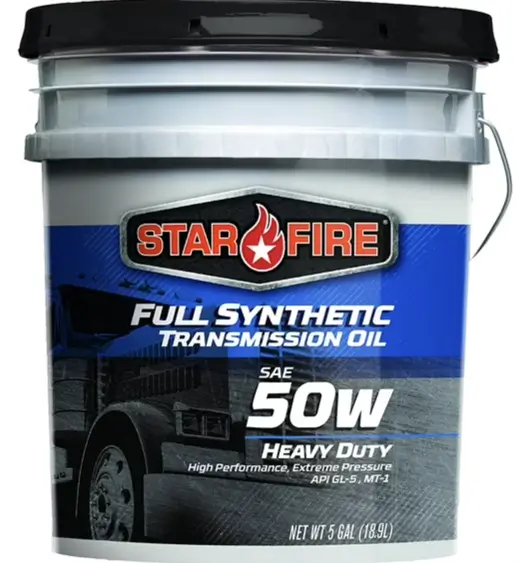
5. STARFIRE SAE 50 Full Synthetic Transmission Fluid (5-Gallon Pail)
Key Features:
- Full synthetic formulation meeting PS-386 requirements
- Designed for heavy-duty manual transmissions
- Offers high-temperature stability and anti-wear protection
- Long-life formula contributes to reduced maintenance
- Cost-effective for fleet owners due to bulk packaging
STARFIRE is known for good performance at a competitive price point, making it a strong option for large-volume buyers.
Related Transmission Fluid for Semi Truck(Top 5 Best Picks)
How to Choose the Right PS-386 Fluid
1. Check Viscosity Requirements
Some transmissions require SAE 50, while others use 75W-90 or 75W-140. Always check your vehicle’s manual.
2. Confirm the PS-386 Approval
Not all synthetic gear oils meet PS-386. Ensure the label explicitly states it.
3. Consider Packaging Size
For fleets, 5-gallon pails or multi-gallon cases offer better value.
For individual truck owners, single gallons or quarts may be sufficient.
4. Match Operating Conditions
Use higher viscosities for heavy loads, hot climates, or towing.
Lower viscosities or SAE 50 oils are ideal for normal line-haul use.
5. Don’t Mix Fluid Types
When upgrading or switching brands, it’s best to fully drain and refill to ensure proper additive performance.
Related ATF Type T IV Transmission Fluid(Top 5 Best Picks)
What Is PS-386 Transmission Fluid?
PS-386 is a premium synthetic manual transmission fluid specification developed by Eaton for modern heavy-duty transmissions. It is formulated to deliver:
- Improved oxidation resistance to withstand high temperatures
- Superior shear stability, ensuring long-term viscosity retention
- Fuel-saving benefits, thanks to optimized friction properties
- Extended drain intervals, often far longer than traditional mineral oils
- Reduced wear and gear pitting, improving overall transmission life
This spec is commonly required for Eaton Fuller 10-speed, 13-speed, 18-speed, and UltraShift automated models, as well as other compatible heavy-duty transmissions.
Using a genuine PS-386-approved fluid keeps your truck compliant with Eaton’s recommendations, maintains shifting smoothness, and helps avoid warranty concerns.
Benefits of Using PS-386 Transmission Fluid
1. Longer Drain Intervals
PS-386 fluids are fully synthetic, meaning they resist breakdown better than conventional oils. Many fleets report significantly extended service intervals, cutting downtime and maintenance costs.
2. Improved Fuel Efficiency
The optimized friction and viscosity characteristics help minimize gear drag, contributing to measurable fuel savings—especially beneficial for long-haul operations.
3. Better Thermal Stability
In heavy-load applications, transmissions generate a lot of heat. PS-386 fluids are engineered to withstand extreme heat without turning into sludge or losing protective properties.
4. Smoother Gear Shifts
With proper lubrication, synchronizers and gears engage more easily, reducing shift harshness and prolonging component life.
5. Reduced Wear and Corrosion
PS-386 fluids include robust anti-wear and anti-corrosion additives that help protect gears, bearings, and seals in even the toughest operating environments.
Related Ravenol Transmission Fluid(Top 5 Best Picks)
FAQs
What is PS-386 fluid?
PS-386 is a full-synthetic manual transmission fluid specification created by Eaton for heavy-duty trucks. It provides improved fuel efficiency, excellent thermal stability, reduced wear, and extended drain intervals in Eaton Fuller and UltraShift transmissions.
What oil is equivalent to Eaton PS 386?
Any fluid that explicitly states Eaton PS-386 approval or compatibility is equivalent. Common equivalents include certain full-synthetic SAE 50 manual transmission oils and synthetic 75W-90/75W-140 gear oils formulated to meet PS-386 performance requirements.
What type of ATF does Ford use?
Most modern Ford automatic transmissions use MERCON-LV, while older models may require MERCON-V or MERCON-SP. Always consult the vehicle’s owner’s manual, as Ford uses different ATF formulations depending on transmission year and model.
Is SAE 50 the same as 75W-90?
No. SAE 50 is a single-grade manual transmission oil, while 75W-90 is a multi-grade gear oil. Although both may be used in some heavy-duty transmissions depending on OEM recommendations, they have different viscosity characteristics and are not directly interchangeable.
Is PS fluid the same as ATF?
No. PS (Power Steering) fluid and ATF (Automatic Transmission Fluid) are different formulations. Some older systems allowed ATF to be used as power steering fluid, but modern vehicles often require specific fluid types. PS-386 is neither ATF nor power steering fluid – it is a manual transmission lubricant.
How do you know if your transmission needs fluid?
Common signs include hard or delayed shifting, slipping gears, grinding noises, overheating, fluid leaks under the vehicle, or a burning smell. Low or contaminated fluid often causes poor performance and should be addressed immediately to prevent damage.
What kind of transmission fluid does an Eaton take?
Most modern Eaton heavy-duty manual and automated transmissions require Eaton PS-386 full-synthetic manual transmission fluid, typically in SAE 50 or approved synthetic gear oil formulations.
Related TH350 Transmission Fluid Capacity(For All Configurations)
Final Thoughts
PS-386 transmission fluid is the modern standard for Eaton and many other heavy-duty transmissions. It offers superior thermal protection, better fuel efficiency, and longer service intervals – all crucial factors for both owner-operators and fleets.