
A transmission fluid exchanger machine is a device designed to remove old transmission fluid and replace it with fresh fluid efficiently. Unlike simple drain-and-fill methods that remove only part of the fluid, a transmission fluid exchanger forces out old fluid while simultaneously pumping in new fluid, refreshing nearly all of the fluid in the system.
Transmission Fluid Exchanger Machine
1. AUTOOL Automatic Transmission Fluid Exchanger Machine
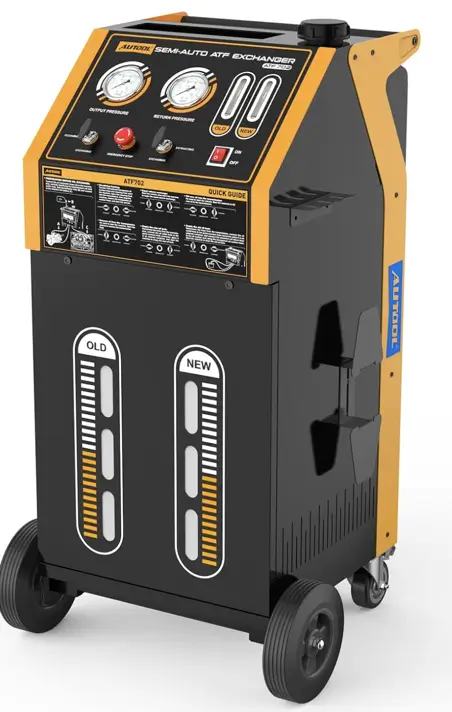
Features:
- Operates on 12V DC power
- Simple plug-and-play design
- Pumps old fluid out while pumping in new fluid
- Automatic flow control for consistent fluid exchange
- Compatible with most passenger cars
2. INTBUYING Automatic Transmission Fluid Exchanger
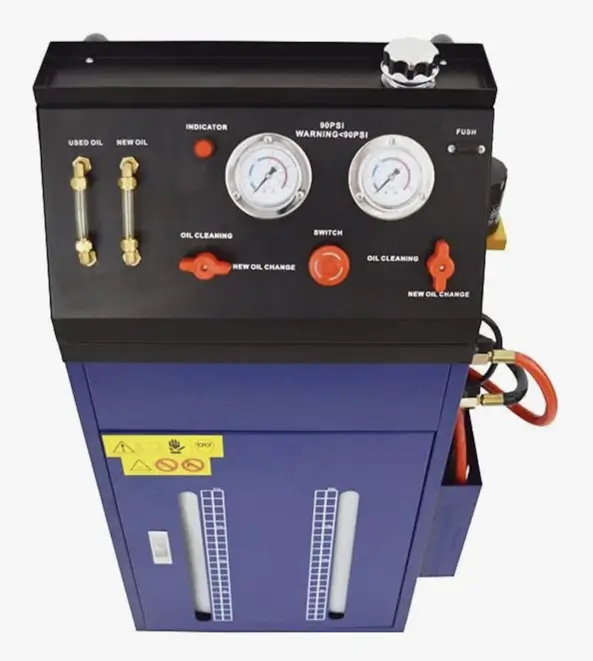
Features:
- Fluid detection windows to monitor old and new fluid
- Circulating flush capability
- Operates on 12V DC power
- Compatible with most automatic transmissions
- Affordable and easy to use
Related HCF-2 Transmission Fluid Equivalent(Top 5 Best 2026)
3. Vevor Transmission Fluid Exchanger
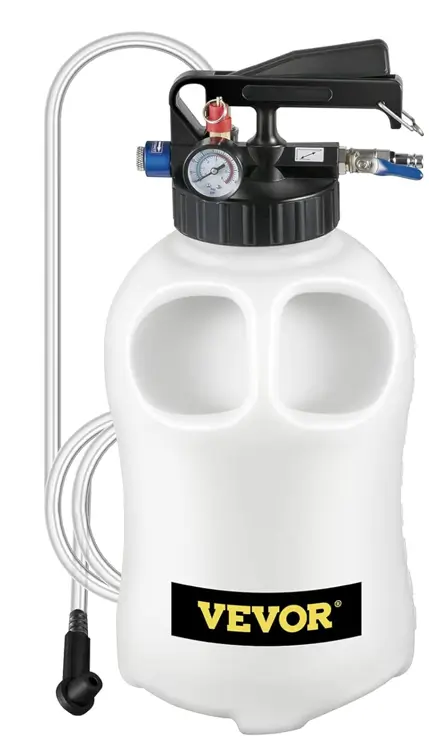
Features:
- Suitable for gasoline and diesel vehicles
- Includes hoses and connectors
- Reinforced housing for durability
- Easy to attach fittings
4. WYDDDARY Automatic Transmission Fluid Changer
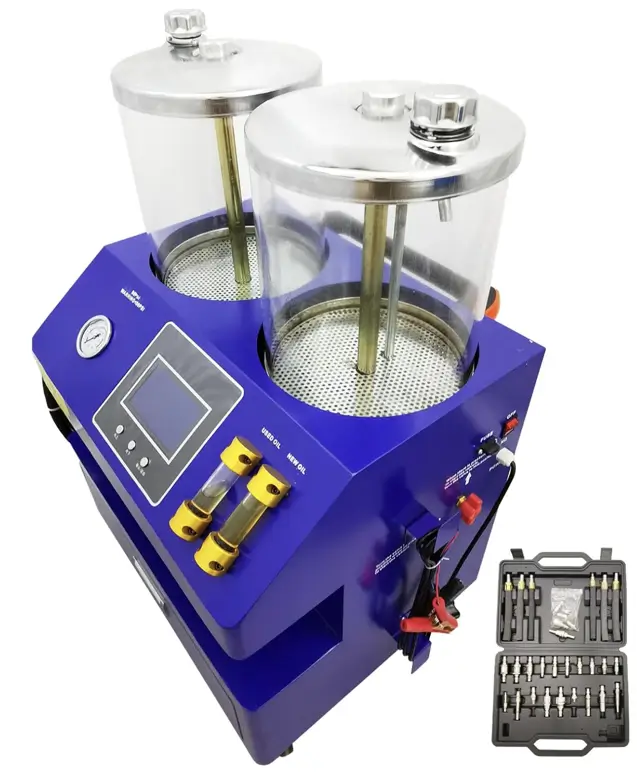
Features:
- Dual 5.3-gallon tanks for larger capacity
- Clear visual fluid boxes for monitoring
- Operates on 12V DC power
- Works with most automatic transmissions
- Simple setup and operation
5. LGXEnzhuo Automatic Transmission Fluid Exchanger
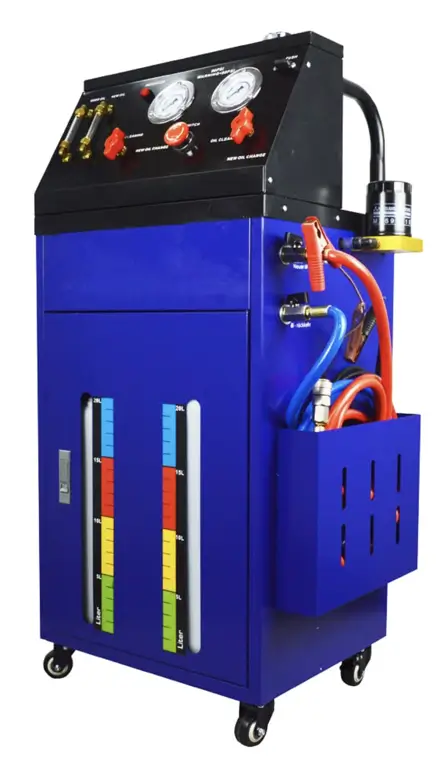
Features:
- Two 3.3-gallon tanks
- 12V DC power
- Automatic flush and exchange
- Heavy-duty hoses and fittings
- Compatible with a wide range of vehicles
Related Transmission Fluid Leak Color(For All Colors + Solutions)
What Is a Transmission Fluid Exchanger Machine?
A transmission fluid exchanger machine is used to perform a complete fluid exchange on automatic transmissions. It connects to the transmission’s fluid lines and uses a pump to remove old fluid and replace it with new fluid. Machines range from simple DIY units to professional shop-grade equipment.
How it works:
- The machine is connected to the transmission lines.
- The vehicle is started, or the machine’s pump is activated.
- Old fluid is drawn out while new fluid is pumped in simultaneously.
- The process continues until most of the old fluid is replaced.
This method is more effective than draining the pan, which typically removes only 30 to 40 percent of the fluid.
Related Transmission Fluid Temperature Chart(Complete Guide)
Benefits of Using a Transmission Fluid Exchanger
1. More Complete Fluid Replacement
Exchangers can replace up to 90–95% of the fluid, including fluid from the cooler and torque converter.
2. Extended Transmission Life
Clean fluid reduces wear on gears and clutches, prevents overheating, and reduces sludge buildup.
3. Improved Performance
Fresh fluid maintains hydraulic pressure and ensures smooth gear shifts.
4. Saves Time and Effort
Using a fluid exchanger is faster and cleaner than repeated manual draining and filling.
5. Professional-Level Maintenance at Home
Many modern machines are compact and easy to use for serious DIY mechanics.
Related BG Fluid Exchange for Transmission Costs
Tips for Choosing the Right Machine
- Vehicle Compatibility: Ensure the machine supports your type of transmission and fluid specifications.
- Tank Capacity: Larger tanks reduce the need for frequent refills.
- Power Source: Most DIY units run on 12V, while shop-grade machines may require AC power.
- Ease of Use: Look for clear windows, labeled hoses, and simple connectors.
- Build Quality: Durable fittings and hoses reduce leaks and improve longevity.
Transmission Fluid Exchanger vs. Traditional Change
A fluid exchanger provides a more complete fluid replacement than a traditional drain-and-fill. Traditional methods remove only the fluid from the transmission pan, while a fluid exchanger removes fluid from deeper areas such as cooler lines and torque converters, resulting in better overall transmission health.
Safety and Best Practices
- Always follow your vehicle manufacturer’s specifications for fluid type and capacity.
- Perform exchanges on a level surface with the engine warm for smoother fluid flow.
- Wear protective gloves and eyewear, as transmission fluid can irritate skin and eyes.
- Properly dispose of old fluid to prevent environmental contamination.
FAQs
How does a transmission fluid exchange machine work?
A transmission fluid exchange machine works by connecting to the vehicle’s transmission lines and using a pump to remove old transmission fluid while simultaneously adding new fluid. This process allows for nearly all of the old fluid, including fluid in the cooler lines and torque converter, to be replaced efficiently without needing to remove the transmission pan.
How do you know when you need a transmission fluid exchange?
Signs that you may need a transmission fluid exchange include slipping gears, delayed or rough shifting, overheating, unusual noises from the transmission, and dark or burnt-smelling fluid. Following the vehicle manufacturer’s recommended service intervals is also important for determining when an exchange is necessary.
What is a transmission fluid exchange?
A transmission fluid exchange is a maintenance procedure where old transmission fluid is removed from a vehicle and replaced with fresh fluid. Unlike a simple drain-and-fill, an exchange uses a machine to remove nearly all of the old fluid, ensuring a more thorough replacement.
What is an ATF exchanger?
An ATF (Automatic Transmission Fluid) exchanger is a type of machine specifically designed to remove old automatic transmission fluid and replace it with new fluid. It connects to the transmission system and pumps fluid in and out simultaneously to refresh almost all of the fluid in the system.
Can I do a transmission fluid exchange at home?
Yes, a transmission fluid exchange can be done at home if you have a compatible ATF exchanger machine, proper tools, and follow safety precautions. It is important to ensure that the machine is compatible with your vehicle and to follow the manufacturer’s instructions carefully.
How to use an ATF exchanger machine?
To use an ATF exchanger machine, first connect the machine to the vehicle’s transmission fluid lines. Start the machine or the vehicle according to instructions, allowing the pump to remove old fluid while adding new fluid. Monitor fluid levels using the machine’s windows or gauges, and continue the process until the exchange is complete. Always follow safety guidelines and manufacturer instructions.
Final Thoughts
A transmission fluid exchanger machine is a valuable tool for extending the life of your transmission and maintaining smooth performance. Whether you are a DIY mechanic or a professional, these machines provide a more thorough fluid replacement than traditional methods. Investing in a reliable machine ensures that your transmission receives the care it needs to operate efficiently and last longer.