
The 4L60E transmission, widely used in GM vehicles including Chevrolet, GMC, and some Cadillac models, is a robust automatic overdrive transmission known for its reliability and versatility.
Using the correct fluid is critical because this transmission features electronic controls, precise hydraulic circuits, and tight tolerances that demand the proper friction characteristics and viscosity provided by Dexron VI.
What Kind of Transmission Fluid Does a 4L60E Take
The 4L60E transmission requires Dexron VI automatic transmission fluid to ensure smooth shifting, proper lubrication, and long-term durability. This fully synthetic fluid maintains stable viscosity across temperatures, protects against wear, and supports the transmission’s electronic controls. A full rebuild takes about 13–14 quarts, while a standard fluid change requires 6–8 quarts. Signs of worn fluid include dark color, burnt smell, slipping gears, or noise.
Best Transmission Fluids for 4L60E
1. Valvoline MaxLife Multi-Vehicle Automatic Transmission Fluid
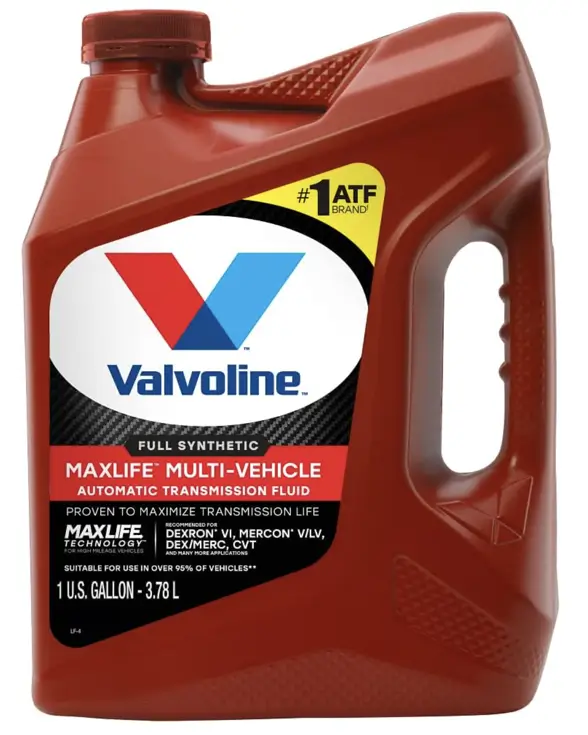
- Fully synthetic formula for high-mileage vehicles.
- Protects against wear, deposits, and sludge.
- Compatible with Dexron VI, III, and earlier specifications.
- Enhances shifting performance and reduces transmission noise.
2. Mobil 1 Synthetic ATF
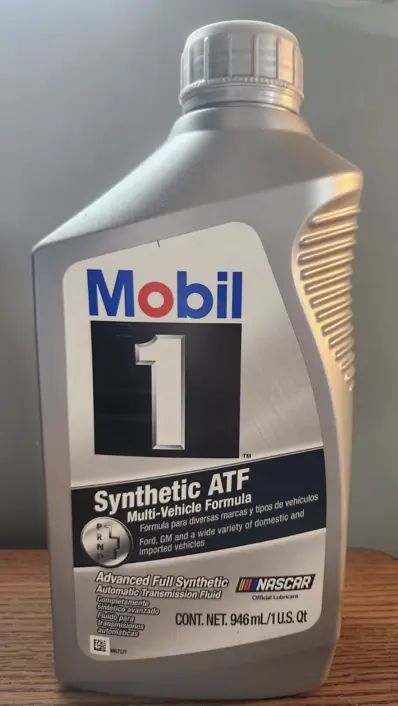
- Premium full-synthetic fluid for smooth shifts under extreme conditions.
- Excellent oxidation stability and thermal protection.
- Backward compatible with older Dexron III systems.
- Ideal for long-term transmission reliability.
3. Castrol Transmax Dexron VI Automatic Transmission Fluid
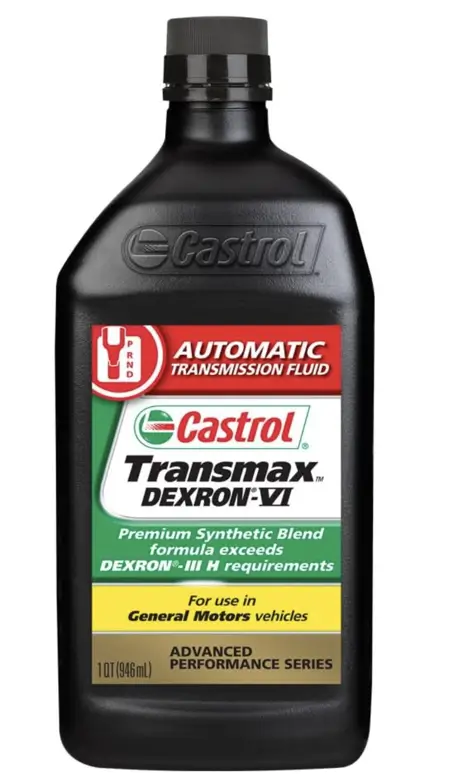
- Engineered specifically for Dexron VI applications.
- Provides excellent anti-wear protection and friction control.
- Suitable for both new and high-mileage GM transmissions.
- Maintains viscosity in extreme temperatures for consistent performance.
Related Castrol Dexron III Automatic Transmission Fluid(Top 3 Best Picks)
Why Dexron VI is Recommended for 4L60E
Dexron VI is a fully synthetic automatic transmission fluid formulated to improve oxidation resistance, reduce wear, and enhance low-temperature performance. Compared to its predecessors, Dexron VI maintains stable viscosity over a wide range of temperatures, which is essential for the 4L60E’s performance in both hot and cold climates.
Using older Dexron III fluids can work in emergencies or for older models, but Dexron VI offers superior protection against sludge, varnish, and clutch shudder. The fluid also supports the electronic solenoids in the 4L60E, ensuring smooth gear shifts and optimal transmission responsiveness.
Related 4L60 Transmission Fluid Capacity(+ Best Recommended Fluid)
How Much Transmission Fluid Does a 4L60E Take?
A complete rebuild of a 4L60E transmission requires approximately 13 to 14 quarts of transmission fluid. During a standard fluid change or service that does not involve a full disassembly, the transmission typically takes 6 to 8 quarts, depending on whether the torque converter is drained separately.
It’s important not to overfill the transmission, as excess fluid can cause foaming, erratic shifting, and internal damage. Always check the fluid level with the vehicle running and at operating temperature, following the manufacturer’s instructions.
Signs You May Need to Change 4L60E Transmission Fluid
Monitoring the condition of your transmission fluid is vital for preventing costly repairs. Signs that the fluid needs changing include:
- Dark or burnt fluid – Transmission fluid should be red or pink in color. Dark brown or black fluid with a burnt odor indicates overheating or oxidation.
- Erratic shifting – Slipping gears, delayed engagement, or harsh shifts can signal worn-out or contaminated fluid.
- Noise – Whining or clunking noises during acceleration may indicate inadequate lubrication or fluid breakdown.
- Fluid level drops – Low transmission fluid due to leaks can cause significant damage if not addressed promptly.
Related Transmission Fluid Temperature Chart(Complete Guide)
Tips for Maintaining Your 4L60E Transmission
Proper maintenance of your 4L60E can significantly extend its life and improve reliability. Consider the following tips:
- Regular Fluid Checks – Inspect fluid level and condition every 30,000 miles.
- Fluid and Filter Changes – Replace the transmission fluid and filter at least every 50,000 miles or earlier if the vehicle is used for towing or heavy-duty driving.
- Use OEM or High-Quality Fluids – Avoid cheap, low-quality fluids that may lack the necessary friction modifiers and anti-wear additives.
- Monitor for Leaks – Check the transmission pan, cooler lines, and seals for signs of leaks, which can lead to low fluid levels and overheating.
- Keep the Cooling System Healthy – The transmission relies on the vehicle’s cooling system to maintain proper operating temperatures, so ensure radiators and coolers are functioning correctly.
Related Transmission Fluid Viscosity Chart(For All Fluid Types)
FAQs
How much transmission fluid does a 4L60E take?
A full rebuild of the 4L60E transmission requires about 13–14 quarts of fluid, while a standard fluid change typically takes 6–8 quarts, depending on whether the torque converter is drained separately. Always check the level with the vehicle running and at operating temperature.
What kind of transmission fluid does a 2003 Silverado 4L60E take?
The 2003 Silverado with a 4L60E transmission requires Dexron VI automatic transmission fluid, which is fully synthetic and compatible with earlier Dexron specifications. This fluid ensures smooth shifts, proper lubrication, and protection for the transmission’s electronic controls.
What’s the difference between ATF and Dexron transmission fluid?
ATF (Automatic Transmission Fluid) is a general term for fluids used in automatic transmissions, while Dexron is a specific type of ATF developed by GM. Dexron VI is a modern ATF formulation designed for GM transmissions, providing superior friction characteristics, wear protection, and temperature stability compared to older ATF types.
What is the best transmission fluid for a 4L60E?
The best fluids for a 4L60E include:
- Valvoline MaxLife Multi-Vehicle ATF – ideal for high-mileage vehicles with excellent anti-wear protection.
- Mobil 1 Synthetic ATF – premium full-synthetic for smooth shifting and thermal stability.
- Castrol Transmax Dexron VI – engineered for Dexron VI applications, offering precise friction control and long-term reliability.
What happens if a 4L60E is overfilled?
Overfilling a 4L60E can cause foaming, erratic shifting, and internal damage. Excess fluid may aerate and reduce lubrication efficiency, leading to overheating, clutch slippage, and potential transmission failure. Always maintain the fluid at the correct level.
Is a 4L60 and 4L60E the same?
No, the 4L60E is the electronically controlled version of the 4L60. While both are similar in design, the 4L60E features electronic shift control and requires Dexron VI ATF, whereas the older 4L60 uses a non-electronic hydraulic system and earlier Dexron fluids.
Final words
The 4L60E transmission is a reliable and widely used automatic transmission in GM vehicles, but it requires proper care to perform optimally. Using Dexron VI automatic transmission fluid is essential to maintain smooth shifting, protect internal components, and ensure long-term durability. Regular fluid checks, high-quality fluid replacement, and attention to transmission performance signs will keep your 4L60E running efficiently for years.
Investing in the right fluid, such as Valvoline MaxLife, Mobil 1 Synthetic ATF, or Castrol Transmax Dexron VI, provides peace of mind and prevents costly repairs. With proper maintenance and the correct fluid, your 4L60E transmission can deliver reliable performance through countless miles of driving.