
When fluid levels drop, braking performance can decline rapidly, putting you and others at risk.
Understanding the symptoms of low brake fluid can help you take prompt action before a minor issue develops into a brake failure.
Low Brake Fluid Symptoms
1. Brake Warning Light on the Dashboard
One of the first signs of low brake fluid is the brake warning light illuminating on your dashboard. This light may appear as:
- A circle with an exclamation mark
- The word “BRAKE.”
- ABS warning light (in some cases)
What it means:
The system detects low fluid levels or uneven pressure. This warning should never be ignored.
2. Soft or Spongy Brake Pedal
A soft or spongy brake pedal is a clear indication that something is wrong with the hydraulic system.
Symptoms include:
- Pedal sinks closer to the floor
- Reduced resistance when pressing the pedal
- The brakes feel less responsive
Why it happens:
Low fluid allows air to enter the brake lines, reducing hydraulic pressure and making the pedal feel soft.
Related Symptoms of Low Manual Transmission Fluid(6 Signs + Solutions)
3. Increased Stopping Distance
If your vehicle takes longer to stop than usual, low brake fluid could be the cause.
Signs to watch:
- Needing more distance to stop
- Pressing the pedal harder than normal
- Delayed braking response
This occurs because insufficient fluid reduces the force applied to brake components.
4. Brake Pedal Goes to the Floor
In severe cases, the brake pedal may sink all the way to the floor with little or no braking effect.
This is a critical safety issue and often indicates:
- Extremely low brake fluid
- Major leak in the brake system
- Air-filled brake lines
If this happens, stop driving immediately and seek professional help.
Related Signs of Dirty Transmission Fluid(8 Key Signs To watch)
5. Grinding Noise When Braking
Low brake fluid can sometimes be linked to worn brake pads. As pads wear down, the fluid level drops because caliper pistons extend further.
Warning sounds:
- Grinding
- Metal-on-metal noise
- High-pitched squealing
Ignoring these noises can damage rotors and increase repair costs.
6. Burning Smell After Braking
A burning smell after braking may indicate overheated brake components due to insufficient hydraulic pressure.
Possible causes:
- Low brake fluid
- Dragging brake pads
- Overworked braking system
Pull over safely and allow the brakes to cool before continuing.
7. Fluid Leak Under the Vehicle
Brake fluid leaks are a common cause of low levels.
How to identify brake fluid:
- Clear to yellowish liquid
- Slightly oily texture
- Found near the wheels or under the master cylinder area
Leaks can occur in brake lines, calipers, wheel cylinders, or the master cylinder.
Related Transmission Fluid Engine Flush(Top 5 Best Picks 2026)
8. ABS Malfunction
Low brake fluid can affect the Anti-lock Braking System (ABS), causing the ABS warning light to turn on.
Possible symptoms:
- ABS light illuminated
- Wheels locking during sudden stops
- Reduced traction control performance
Since ABS relies on hydraulic pressure, low fluid can compromise system effectiveness.
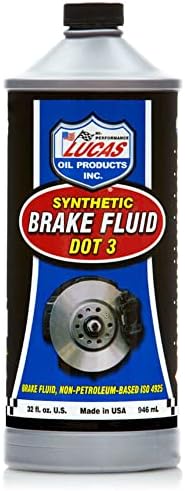
Best Brake Fluid 2026

What Causes Low Brake Fluid?
Understanding the causes can help prevent future problems.
1. Worn Brake Pads
As brake pads wear, caliper pistons extend further, lowering fluid levels in the reservoir.
2. Brake Fluid Leaks
Leaks may occur in:
- Brake lines
- Master cylinder
- Calipers
- Wheel cylinders
3. Evaporation and Moisture Contamination
Brake fluid absorbs moisture over time, which reduces effectiveness and may lead to system corrosion.
4. Poor Maintenance
Failing to check and replace brake fluid as recommended can lead to low levels and degraded performance.
Related Transmission Fluid Leak Color(For All Colors + Solutions)
What to Do If Your Brake Fluid Is Low
Step 1: Check the Reservoir
Locate the brake fluid reservoir under the hood. It is usually labeled and marked with “MIN” and “MAX” lines.
Step 2: Inspect for Leaks
Look for fluid around wheels, under the vehicle, or near the master cylinder.
Step 3: Top Up (If Safe)
If the fluid is slightly low and no leaks are visible:
- Use the correct brake fluid type (DOT 3, DOT 4, etc.)
- Fill to the recommended level
- Avoid overfilling
Step 4: Visit a Mechanic
If the fluid drops again or symptoms persist, seek professional inspection immediately.
How Often Should You Check Brake Fluid?
Experts recommend checking brake fluid:
- Every oil change
- Before long trips
- When brake performance changes
Brake fluid replacement is typically recommended every 2–3 years, depending on manufacturer guidelines.
Preventing Low Brake Fluid Issues
Preventive maintenance can save lives and reduce repair costs.
Tips:
- Inspect brake pads regularly
- Replace worn pads promptly
- Flush brake fluid as recommended
- Fix leaks immediately
- Use the correct fluid type
When to Seek Immediate Help
Stop driving and seek professional assistance if you notice:
- Brake pedal going to the floor
- Warning lights with poor braking performance
- Visible fluid leaks
- Burning smell from brakes
These signs indicate a potentially dangerous braking failure.
FAQs
What happens when you are low on brake fluid?
When brake fluid is low, the braking system loses hydraulic pressure, which reduces braking performance. You may notice a soft or spongy brake pedal, longer stopping distances, or warning lights on the dashboard. In severe cases, the brake pedal may sink to the floor, making it difficult or impossible to stop the vehicle safely.
Can you just add brake fluid when it’s low?
You can add brake fluid if the level is slightly low, but it’s important to understand why it dropped. Low fluid often indicates worn brake pads or a leak in the system. Simply topping it up without addressing the underlying issue may lead to ongoing fluid loss and potential brake failure.
How does your car act when it needs brake fluid?
A car with low brake fluid may show several warning signs, including:
- Soft or spongy brake pedal
- Increased stopping distance
- Brake warning light illuminated
- Grinding noises if pads are worn
- Brake pedal sinking toward the floor
These symptoms indicate reduced hydraulic pressure and compromised braking efficiency.
Can I add brake fluid myself?
Yes, you can add brake fluid yourself if you follow proper precautions:
- Use the correct fluid type (DOT 3, DOT 4, etc.)
- Clean the reservoir cap before opening to prevent contamination
- Fill only to the “MAX” line
- Avoid spilling fluid on painted surfaces
If the fluid level drops again after topping up, have the braking system inspected by a professional.
What causes brake fluid level to drop?
Brake fluid levels can drop due to:
- Worn brake pads (caliper pistons extend further)
- Leaks in brake lines, calipers, or master cylinder
- Moisture contamination leading to system damage
- Poor maintenance or overdue fluid replacement
Because the system is sealed, fluid loss usually signals wear or a mechanical issue.
How long can I drive with low brake fluid?
Driving with low brake fluid is dangerous and should be avoided. Even if brakes seem to work, reduced fluid can quickly lead to brake failure. If you notice low levels or warning signs, limit driving and have the system checked immediately to ensure your safety.
Final Thoughts
Low brake fluid symptoms are not just minor inconveniences, they are critical safety warnings. From a soft brake pedal to increased stopping distance, these signs should prompt immediate inspection and action.
Regular maintenance, timely brake pad replacement, and routine fluid checks can keep your braking system in optimal condition. If you notice any warning signs, don’t delay, your safety depends on a fully functioning brake system.