
Unlike automatic transmissions, manual gearboxes rely heavily on the correct fluid for lubrication, heat control, and synchronizer performance. Using the wrong fluid can cause grinding gears, poor shifting, and costly repairs.
Best Manual Transmission Fluid
1. Red Line MT-90 75W-90 GL-4 Gear Oil
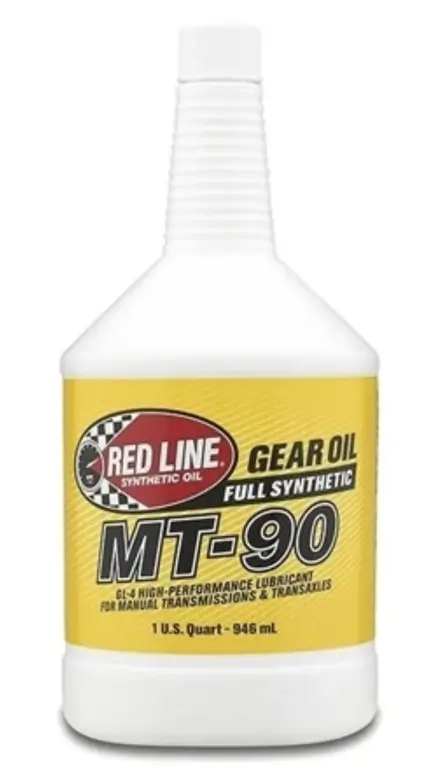
Red Line MT-90 75W-90 Gear Oil
A favorite among enthusiasts, Red Line MT-90 is designed specifically for synchronized manual transmissions requiring GL-4 fluid.
Key Features
- GL-4 formulation is safe for synchronizers
- Excellent cold-weather shifting
- Reduces gear noise and wear
- High thermal stability
- Suitable for many Mazda, Toyota, and Nissan models
Best For
Drivers seeking smoother shifts and long-term protection.
2. Royal Purple Synchromax Manual Transmission Fluid
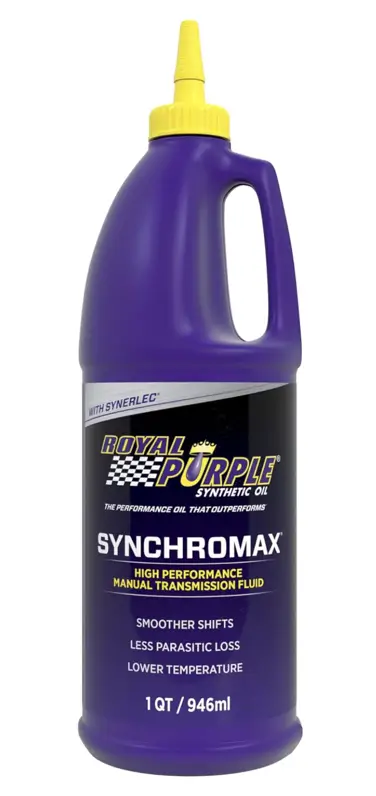
Royal Purple Synchromax
Royal Purple Synchromax is a high-performance synthetic fluid engineered to improve shift quality and reduce heat.
Key Features
- Improves gear engagement
- Reduces transmission temperatures
- Compatible with brass synchronizers
- Extends transmission life
- Suitable for many GM and Chrysler vehicles
Best For
Performance vehicles and drivers want smoother gear engagement.
Related Best Automatic Transmission Fluid Additive(Top 5 Picks 2026)
3. AMSOIL Manual Synchromesh Transmission Fluid
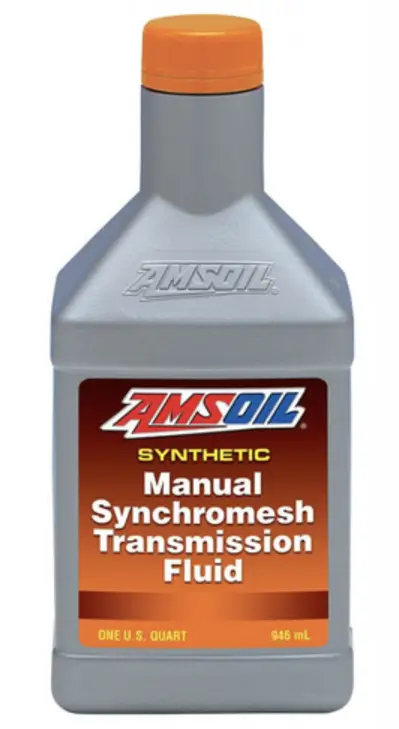
AMSOIL Manual Synchromesh Transmission Fluid
This premium synthetic fluid is specifically formulated for manual transmissions and transaxles that require synchromesh fluid.
Key Features
- Excellent synchronizer compatibility
- Smooth shifting in cold climates
- Resists oxidation and sludge formation
- Long service life
- Ideal for Honda, GM, and Chrysler vehicles
Best For
Modern vehicles require synchromesh specifications.
Related Symptoms of Low Manual Transmission Fluid(6 Signs + Solutions)
4. Mobil 1 Synthetic Gear Lube LS 75W-90
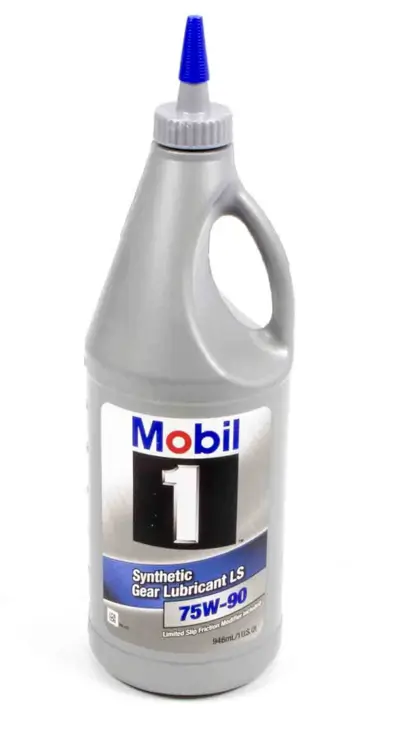
Mobil 1 Synthetic Gear Lube LS 75W-90
Mobil 1’s synthetic gear lubricant provides excellent wear protection and thermal stability for manual transmissions and differentials.
Key Features
- Outstanding wear protection
- High-temperature stability
- Reduces deposits and sludge
- Long fluid life
- Suitable for high-performance and heavy-duty use
Best For
Drivers need durable protection under heavy loads.
5. Castrol Syntrans Transaxle 75W-90
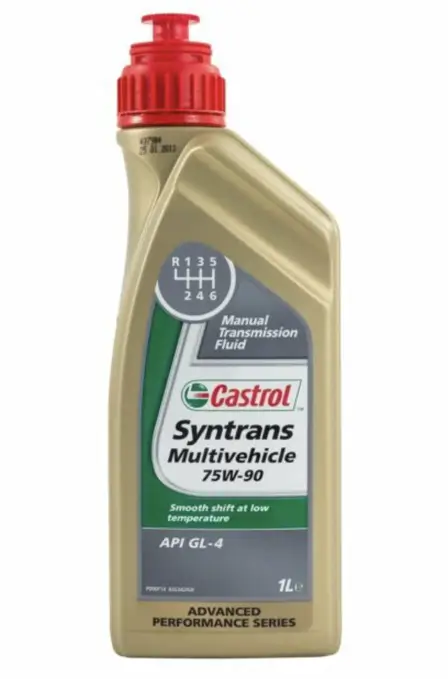
Castrol Syntrans Transaxle 75W-90
Castrol Syntrans is engineered for smooth shifting and improved fuel efficiency in manual transaxles.
Key Features
- Enhances shift quality
- Excellent cold-flow properties
- Protects against wear and corrosion
- Helps improve fuel efficiency
- Suitable for European and Asian vehicles
Best For
Compact cars and transaxle-equipped vehicles.
Related Best CVT Transmission Fluid(Top 5 Picks 2026)
Why Manual Transmission Fluid Matters
Manual transmission fluid lubricates gears, bearings, and synchronizers while preventing overheating and corrosion. It also ensures smooth engagement between gears, especially in cold weather.
Key Benefits
- Reduces friction and gear wear
- Improves shifting smoothness
- Prevents overheating and oxidation
- Extends transmission lifespan
- Protects synchronizers and seals
Related How to Check Transmission Fluid in a Manual(Step By Step)
What to Look for in a Manual Transmission Fluid
Before buying, consider these factors:
1. Viscosity Grade
Common grades include:
- 75W-90 – Most common for modern vehicles
- 80W-90 – Older trucks and heavy-duty gearboxes
- 70W-80 – Some compact cars
Always check your owner’s manual.
2. GL Rating
- GL-4 – Ideal for synchronized manual transmissions
- GL-5 – Better for differentials; may harm synchronizers if misused
3. Synthetic vs Conventional
- Synthetic: Better performance, longer life, superior cold flow
- Conventional: Budget-friendly, adequate for older vehicles
Signs You Need to Change Manual Transmission Fluid
Watch for these warning signs:
- Grinding or hard shifting
- Gear slipping or hesitation
- Burning smell from the transmission
- Unusual noises while driving
- Fluid appears dark or contaminated
Most manufacturers recommend changing the manual transmission fluid every 30,000–60,000 miles; however, driving conditions may necessitate earlier service.
Related Best Transmission Fluid for Harley Davidson(Top 5 Picks 2026)
Synthetic vs Conventional: Which Is Better?
Synthetic manual transmission fluids outperform conventional oils in nearly every category:
| Feature | Synthetic | Conventional |
|---|---|---|
| Cold performance | Excellent | Moderate |
| Heat resistance | High | Lower |
| Service life | Longer | Shorter |
| Cost | Higher | Lower |
For most modern vehicles, synthetic is the best choice.
Tips for Choosing the Right Fluid
- Always consult your owner’s manual
- Match GL rating to transmission type
- Avoid GL-5 in GL-4 applications unless approved
- Consider climate and driving conditions
- Choose synthetic for better performance
FAQs
What is the best fluid for manual transmission?
The best fluid for a manual transmission is the one that matches your vehicle manufacturer’s specifications, especially the correct viscosity and GL rating. Most modern synchronized manual transmissions require GL-4 75W-90 synthetic gear oil because it protects synchronizers and ensures smooth shifting. High-quality synthetic options from brands like Red Line, AMSOIL, and Royal Purple are widely trusted for their thermal stability, wear protection, and cold-weather performance.
What happens if I use GL5 instead of GL4?
Using GL-5 gear oil in a transmission designed for GL-4 can damage synchronizers over time. GL-5 fluids contain higher levels of extreme-pressure additives, which can be too aggressive for the softer metals (like brass and bronze) used in synchronizers.
This may lead to hard shifting, gear grinding, and premature wear. Always use GL-4 unless your vehicle manufacturer specifically approves GL-5 compatibility.
What ruins a manual transmission?
Several factors can shorten the life of a manual transmission, including:
- Using the wrong transmission fluid
- Low or contaminated fluid levels
- Riding the clutch or improper shifting habits
- Ignoring grinding noises or shift resistance
- Overloading the vehicle beyond its capacity
- Skipping recommended maintenance intervals
Proper fluid maintenance and good driving habits are key to preventing costly transmission repairs.
What kind of transmission fluid does a 2010 Camaro SS take?
The Chevrolet Camaro SS with a manual transmission typically requires Dexron III/Mercon ATF or a manufacturer-approved equivalent for the TR-6060 gearbox. Using the correct fluid ensures smooth shifts and protects internal components.
Is synthetic oil better for manual transmission?
Yes, synthetic transmission fluid is generally better for manual transmissions. It provides superior heat resistance, improved cold-weather flow, longer service life, and better protection against wear and oxidation compared to conventional oil. While it may cost more upfront, synthetic fluid often reduces maintenance frequency and enhances overall transmission performance.
Final Thoughts
Using the best manual transmission fluid ensures smoother shifting, reduced wear, and long-term reliability. Whether you choose Red Line MT-90 for synchronized gearboxes or Royal Purple Synchromax for performance applications, selecting the correct fluid for your vehicle is key.
Investing in high-quality transmission fluid today can save you from expensive repairs tomorrow and keep your vehicle shifting smoothly for years to come.