

Selecting the wrong fluid can cause sluggish movement, excessive wear, seal damage, or even lift failure. This guide explains what car lift hydraulic fluid is, how to choose the right one, and highlights five of the best hydraulic fluids commonly available.
Car Lift Hydraulic Fluid
1. Stens Hydraulic Fluid AW46
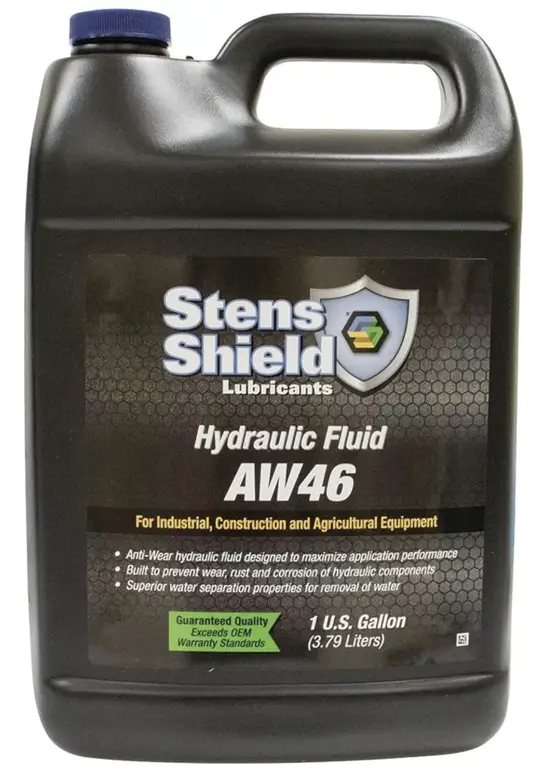
Stens AW46 hydraulic fluid is a dependable choice for automotive lifts operating in moderate to warm temperatures. It is widely used in garage equipment, agricultural machinery, and industrial hydraulic systems.
Key Features
- Anti-wear additives to protect pumps and cylinders
- Helps prevent rust and corrosion
- Stable viscosity under heavy loads
- Suitable for most two-post and four-post car lifts
- Designed for consistent performance in warm operating conditions
2. MAG Hydraulic Fluid R&O AW ISO 46
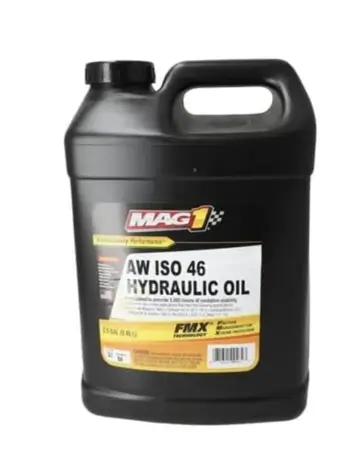
MAG Hydraulic Fluid ISO 46 is designed for demanding hydraulic systems that require strong oxidation resistance and wear protection. It is well-suited for commercial automotive shops with frequent lift usage.
Key Features
- Excellent wear protection for high-pressure systems
- Resists oxidation and thermal breakdown
- Maintains stable viscosity during continuous operation
- Good water separation to reduce contamination
- Ideal for heavy-duty car lifts and workshop equipment
Related How Much Transmission Fluid Does a Car Hold(For All Vehicle Types)
3. TRIAX Powerflow MV 32 Hydraulic Oil
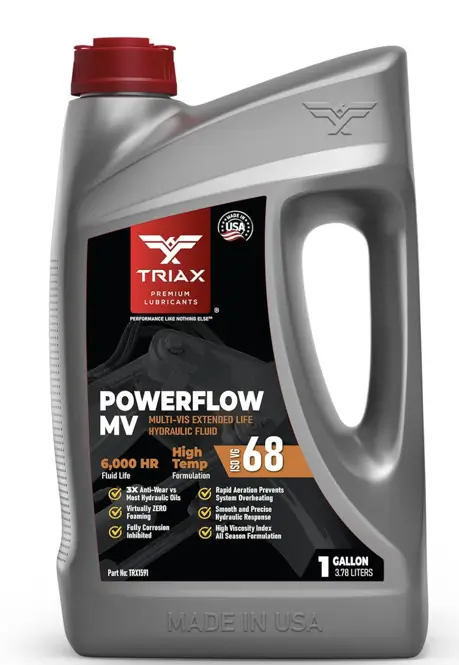
TRIAX Powerflow MV 32 is a premium ISO 32 hydraulic oil designed for consistent performance across a wide temperature range. It works especially well in colder environments or where smoother cold starts are required.
Key Features
- Multi-viscosity formulation for year-round use
- Excellent low-temperature flow characteristics
- Strong anti-wear protection for pumps and valves
- Protects seals and internal components
- Suitable for lifts requiring AW32 hydraulic fluid
4. Prime Guard Premium ISO AW46 Hydraulic Oil
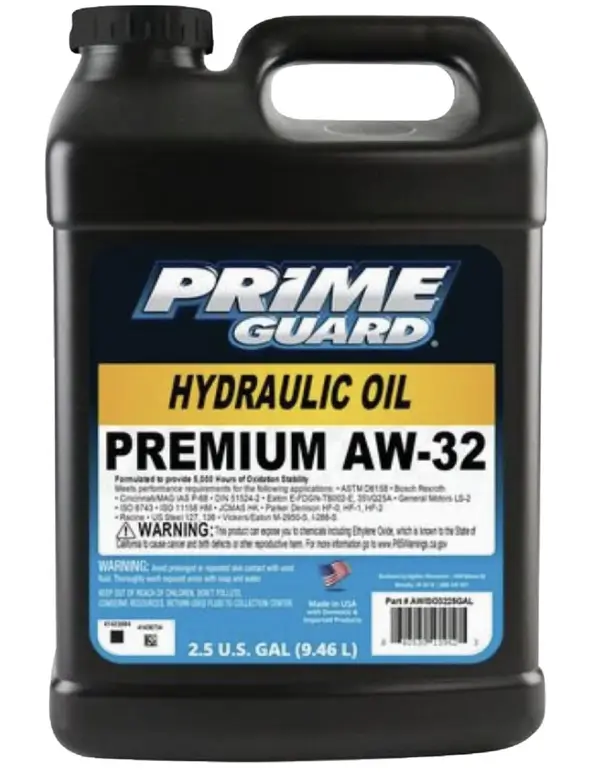
Prime Guard Premium AW46 hydraulic oil is engineered for extended service life and heavy hydraulic loads. It is well-suited for busy garages and commercial repair facilities.
Key Features
- Long oxidation life for extended fluid change intervals
- Strong resistance to foaming and air entrainment
- Reliable wear protection under high pressure
- Good thermal stability for continuous lift operation
- Ideal for professional shop environments
Related How Do You Get Transmission Fluid Out of Clothes(5 Proven Methods)
5. Presidential ISO AW32 Hydraulic Oil
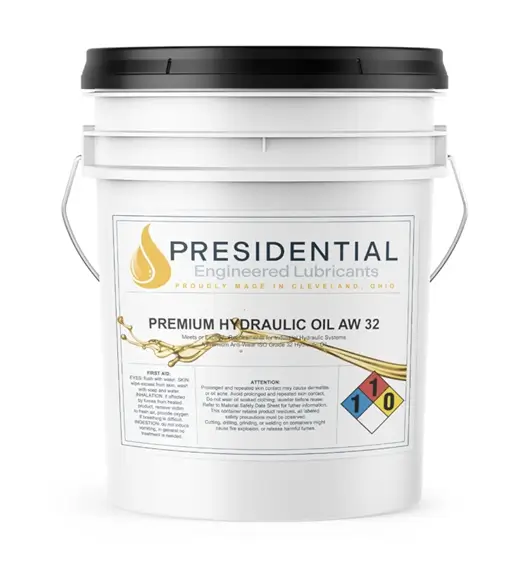
Presidential ISO AW32 hydraulic oil is a solid choice for lighter lift systems or operations in cooler climates. It provides reliable lubrication and system protection for residential and light commercial use.
Key Features
- Anti-foam and anti-rust additive package
- Smooth hydraulic response at lower temperatures
- Helps extend pump and cylinder life
- Maintains clean operation by reducing sludge formation
- Suitable for home garage lifts and AW32-specified systems
What Is Car Lift Hydraulic Fluid?
Hydraulic fluid is the medium that transfers power within a hydraulic system. In a car lift, the fluid is pressurized by a pump and directed into hydraulic cylinders, allowing the lift arms or platforms to raise and lower heavy vehicles smoothly. Unlike ordinary oils, hydraulic fluids are specially formulated to resist compression, reduce wear, prevent corrosion, and maintain stable viscosity across a wide temperature range.
Car lift hydraulic fluid also lubricates internal components such as pumps, valves, and cylinders. In addition, it helps dissipate heat generated during repeated lift cycles and protects the system from rust and oxidation caused by moisture or air contamination.
Related Land Rover Transmission Fluid(Top 5 Best Picks 2026)
Why the Right Hydraulic Fluid Matters
Using the correct hydraulic fluid ensures smooth lifting action, consistent load handling, and long equipment life. Poor-quality or incorrect fluid can lead to foaming, overheating, seal failure, and reduced lifting capacity. Over time, these issues increase maintenance costs and raise safety concerns, especially in professional workshops where lifts are used daily.
Most automotive lift manufacturers specify anti-wear hydraulic fluids, commonly labeled as AW hydraulic oil. These fluids contain additives designed to protect high-pressure components and prevent metal-to-metal contact.
Understanding Hydraulic Fluid Viscosity
Viscosity refers to the thickness or flow resistance of hydraulic fluid. The most common viscosity grades used in car lifts are ISO 32 and ISO 46.
ISO 32 (AW32) is a lighter fluid that flows more easily in cooler temperatures. It is ideal for shops in colder climates or for lifts that operate in unheated garages.
ISO 46 (AW46) is a thicker fluid designed for warmer environments and heavier lifting applications. It provides better protection under high loads and sustained operating temperatures.
Always consult your lift manufacturer’s manual to confirm the recommended viscosity grade. Using a fluid that is too thick or too thin can negatively affect lift performance and component life.
Related Red Fluid Leaking from Truck(4 Causes + Solutions)
How Often Should Hydraulic Fluid Be Changed?
Hydraulic fluid does not require frequent replacement, but it should be inspected regularly. Most manufacturers recommend changing lift hydraulic fluid every one to two years, depending on usage. Signs that fluid replacement may be necessary include slow lift operation, unusual pump noise, visible contamination, milky appearance caused by water ingress, or excessive foaming.
Routine maintenance helps prevent internal corrosion and ensures consistent lifting performance.
Best Practices for Using Hydraulic Fluid in Car Lifts
Always follow the lift manufacturer’s recommendations when selecting hydraulic fluid. Mixing different hydraulic oils or viscosities can cause additive incompatibility, leading to foaming, seal damage, or reduced performance.
Check hydraulic fluid levels regularly with the lift fully lowered. Overfilling can cause aeration, while low fluid levels may introduce air into the system, resulting in jerky lift operation.
Keep the hydraulic system clean. Dirt and moisture are the primary enemies of hydraulic components. Store hydraulic fluid in sealed containers and wipe filler caps before opening the reservoir.
Final words
Car lift hydraulic fluid is a critical component that directly impacts performance, safety, and equipment longevity. Choosing the correct anti-wear hydraulic oil with the proper viscosity ensures smooth lifting, protects internal components, and reduces long-term maintenance costs. Whether you need ISO 32 for cooler environments or ISO 46 for heavier loads and warmer conditions, the hydraulic fluids listed above provide reliable options for most automotive lifts.
Regular inspection and proper maintenance of hydraulic fluid will help keep your car lift operating safely and efficiently for years to come.