
Most modern Nissan Altima models use a Continuously Variable Transmission (CVT), which requires a special type of CVT fluid instead of standard automatic transmission fluid.
For most Nissan Altima models from 2013 and newer, Nissan recommends Genuine Nissan CVT Fluid NS-3. Older CVT models may require NS-2 fluid, while some earlier automatic transmission models use Nissan Matic ATF.
Nissan Altima Transmission Fluid
1. Idemitsu CVT Type N3
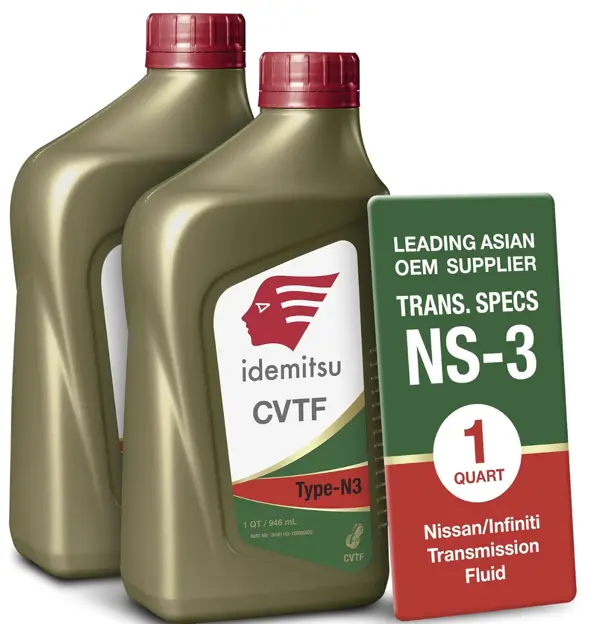
Idemitsu CVT Type N3 is a high-quality full synthetic CVT transmission fluid designed to meet the performance requirements of Nissan NS-3 applications. It is engineered for modern Nissan and Infiniti vehicles equipped with CVT transmissions, delivering smooth operation, stable hydraulic pressure, and reliable protection under a wide range of driving conditions.
This fluid is formulated to closely match OEM specifications, making it a trusted alternative to factory Nissan CVT fluid for routine maintenance and service.
Features:
- Full synthetic formulation for long-lasting performance
- Designed for Nissan NS-3 CVT specifications
- Helps ensure smooth acceleration and consistent shifting
- Reduces friction and internal wear on CVT components
- Excellent thermal stability for high-temperature driving conditions
- Strong resistance to oxidation and fluid breakdown
- Supports improved fuel efficiency and transmission efficiency
- Compatible with many Nissan and Infiniti CVT-equipped vehicles
Related Nissan CVT Transmission Fluid Change Cost(Complete Guide)
2. Valvoline Full Synthetic CVT Fluid
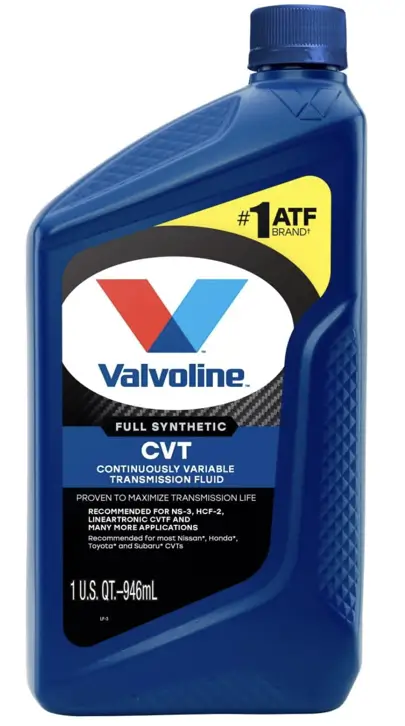
Valvoline CVT Fluid is a popular aftermarket alternative compatible with many Nissan CVT applications.
Features:
- Full synthetic formulation
- Helps reduce wear and friction
- Good temperature stability
- Smooth shifting performance
- Affordable compared to OEM fluid
- Widely available
Many Altima owners use this fluid successfully for routine maintenance.
3. Castrol Transmax CVT Fluid
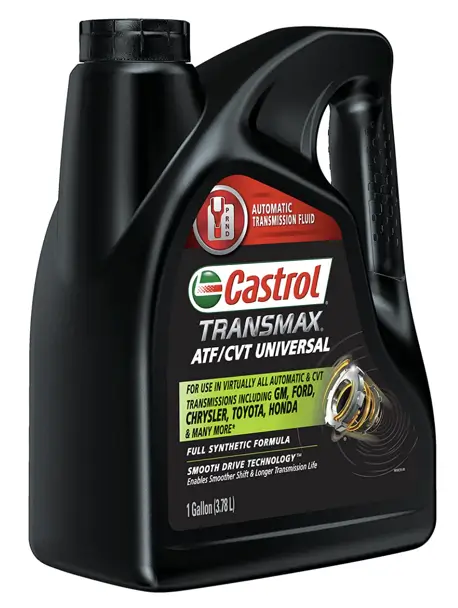
Castrol Transmax CVT Fluid is another trusted synthetic option for Nissan CVT systems.
Features:
- Advanced synthetic formula
- Designed for CVT transmissions
- High resistance to thermal breakdown
- Helps reduce shuddering and slipping
- Excellent oxidation protection
- Performs well in extreme temperatures
This fluid is often chosen by drivers looking for premium synthetic protection.
Related Transmission Fluid for 2011 Nissan Titan(Top 5 Best 2026)
Why Transmission Fluid Is Important
Transmission fluid does much more than simply lubricate moving parts. In a Nissan Altima CVT transmission, the fluid also helps control hydraulic pressure and temperature. Since CVT transmissions operate differently from traditional automatic transmissions, they are highly sensitive to fluid quality and condition.
Old or contaminated transmission fluid can cause several problems, including:
- Delayed acceleration
- Jerking or shuddering
- Transmission overheating
- Whining noises
- Slipping transmission
- Poor fuel economy
- Premature transmission wear
Keeping fresh transmission fluid in your Altima helps maintain smooth driving performance and may extend transmission life.
Related Subaru Automatic Transmission Fluid(Top 3 Best Picks 2026)
What Type of Transmission Fluid Does a Nissan Altima Use?
Most modern Nissan Altima models use Nissan CVT Fluid NS-3. Older CVT-equipped Altimas may use NS-2 fluid, while some older automatic transmission models use Nissan Matic fluid.
Nissan specifically recommends using the correct fluid because CVT systems are sensitive to fluid viscosity and friction properties. Mixing incompatible fluids can damage the transmission and reduce performance.
If you are unsure about the correct fluid for your Altima, check the owner’s manual or the transmission fluid cap.
Related Land Rover Transmission Fluid(Top 5 Best Picks 2026)
Signs Your Nissan Altima Needs Transmission Fluid Service
Transmission fluid naturally breaks down over time due to heat and friction. As the fluid ages, it loses its ability to properly lubricate and cool the transmission.
Here are common signs that your Nissan Altima may need transmission fluid service.
1. Delayed Gear Engagement
The vehicle may hesitate before moving when shifting into Drive or Reverse.
2. Shuddering During Acceleration
A worn CVT fluid can cause vibration or shuddering while accelerating from a stop.
3. Burning Smell
Burnt transmission fluid usually indicates overheating and fluid breakdown.
4. Dark or Dirty Fluid
Healthy transmission fluid is usually clean and slightly transparent. Dark brown or black fluid may indicate contamination or excessive wear.
5. Warning Lights
Some Altima models may trigger a transmission or check engine warning light if the transmission fluid temperature or pressure becomes abnormal.
Related Audi Transmission Fluid[Top 5 Best Picks 2026]
How Often Should Nissan Altima Transmission Fluid Be Changed?
Many mechanics recommend changing Nissan Altima CVT fluid every 30,000 to 60,000 miles depending on driving conditions. Vehicles used in heavy traffic, hot weather, towing, or mountain driving may require more frequent fluid changes.
Routine fluid maintenance is especially important for CVT transmissions because clean fluid helps reduce heat and wear inside the transmission.
Some owners prefer performing regular drain-and-fill services instead of complete transmission flushes, especially on high-mileage vehicles.
Can You Use Aftermarket CVT Fluid?
Yes, aftermarket CVT fluids can be used as long as they specifically meet Nissan NS-3 or NS-2 specifications. However, many Nissan owners still prefer OEM Nissan fluid for maximum compatibility and performance.
Universal transmission fluids that do not clearly state Nissan CVT compatibility should be avoided because they may not provide the correct friction characteristics required by the transmission.
Related Acura Transmission Fluid[Top 5 Best Options]
How to Check Nissan Altima Transmission Fluid
Some newer Nissan Altima models do not include a traditional transmission dipstick, making fluid checks more difficult than in older vehicles.
Depending on the model year, checking the fluid may require warming the transmission to operating temperature and inspecting the fluid level through a check plug.
Because incorrect fluid levels can damage a CVT transmission, many owners choose professional service for fluid inspections and replacements.
Common Nissan Altima Transmission Problems
Nissan Altima CVT transmissions are known for being sensitive to neglected maintenance. Common problems include:
- Overheating
- RPM fluctuations
- Hesitation during acceleration
- Jerking while driving
- Transmission whining noises
- Loss of power
Regular transmission fluid changes can help reduce wear and improve long-term reliability.
Drain-and-Fill vs Transmission Flush
Many mechanics recommend a drain-and-fill service for Nissan Altima CVTs instead of a power flush. A drain-and-fill replaces a portion of the old fluid while reducing the risk of disturbing debris inside the transmission.
On high-mileage vehicles with poor maintenance history, aggressive transmission flushing may sometimes cause additional problems.
Routine drain-and-fill services are often considered the safer maintenance approach for older CVT transmissions.
Final Thoughts
Using the correct transmission fluid is extremely important for the health and performance of your Nissan Altima. Most modern Altima models require Nissan CVT Fluid NS-3 or a fully compatible equivalent. Regular fluid maintenance can help improve shifting performance, reduce overheating, and extend transmission life.
Genuine Nissan CVT Fluid NS-3 remains the best option for factory compatibility, while quality alternatives like Valvoline Full Synthetic CVT Fluid and Castrol Transmax CVT Fluid can also provide reliable performance when used correctly.
Before changing your transmission fluid, always verify the correct specification for your specific Altima model and avoid mixing incompatible fluids.