
Automatic transmissions generate a tremendous amount of heat, especially during towing, hauling, stop-and-go driving, and high-load conditions.
In this guide, you’ll learn how cooling additives work, when to use them, and the five best products commonly available.
Transmission Fluid Additive for Cooling
1. Hot Shot’s Secret Shift Restore
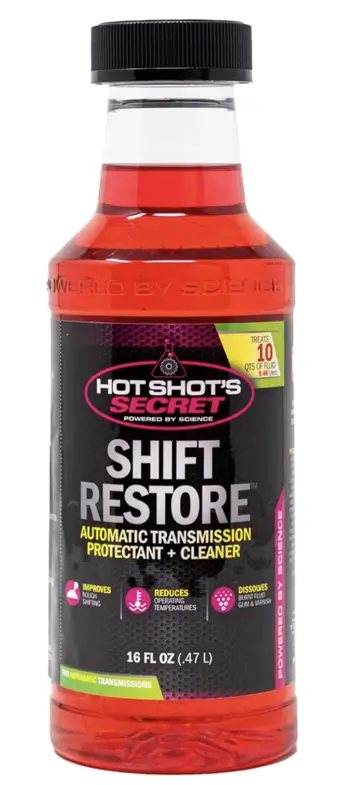
A high-performance automatic transmission fluid additive formulated to clean internal transmission components, improve lubrication, and restore smoother shifting. It also helps reduce operating temperatures and protect transmission parts.
Key Features
- Cleans gum, varnish, and stiction buildup inside the transmission system
- Improves shift quality for smoother, more consistent gear changes
- Reduces operating temperatures by lowering friction and internal heat
- Lubricates and protects metal components to reduce wear
- Minimizes noise and vibration during transmission operation
- Condition seals to help prevent leaks and prolong fluid life
- Suitable for both preventative maintenance and corrective use in automatic and CVT transmissions
2. BG ATC Plus – Automatic Transmission Conditioner
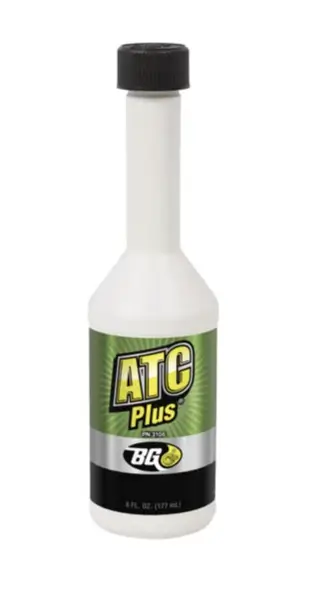
BG ATC Plus is a professional-grade additive commonly used in shops. It strengthens ATF’s thermal resistance and stabilizes friction characteristics, helping transmissions stay cooler under demanding conditions.
Features
- Enhances thermal stability for better high-temperature protection
- Helps reduce oxidation, varnish, and sludge
- Condition seals to prevent leaks
- Improves shift quality under heavy loads
- Reduces foaming, allowing better fluid flow through the cooler
- Ideal for preventative maintenance for high-mileage vehicles
Related Transmission Fluid Temperature Chart(Complete Guide)
3. Liqui Moly Automatic Transmission Cleaner (Pro-Line)
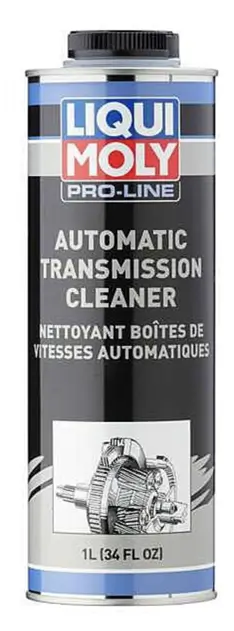
This product is a pre-service cleaner added before a fluid change. It helps remove varnish, gum, and residues – problems that commonly restrict cooler flow and increase operating temperature.
Features
- Cleans varnish and deposits that impede fluid circulation
- Helps restore shift quality and reduce overheating caused by restricted flow
- Improves overall cooler efficiency by allowing proper fluid movement
- Safe for internal seals and components
- Best used before a complete ATF flush or filter change
- Ideal when fluid looks dark, smells burnt, or has delayed shifting
4. Royal Purple Max ATF – High-Performance Synthetic Fluid
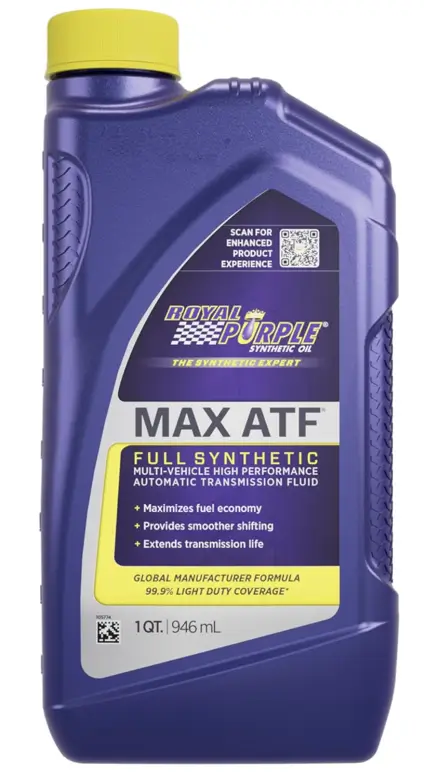
Although this is not a small “add-on” bottle, switching to a high-performance synthetic ATF like Royal Purple is one of the most effective ways to lower transmission temperature – especially if your current fluid is old or oxidized.
Features
- Superior thermal stability for lower operating temperatures
- Strong anti-wear additives reduce frictional heat
- Resists oxidation much longer than conventional ATF
- Helps prevent varnish formation
- Improves shift performance under load
- Great for towing, mountain driving, or hot climates
5. Red Line Synthetic ATF – High-Temperature Formula
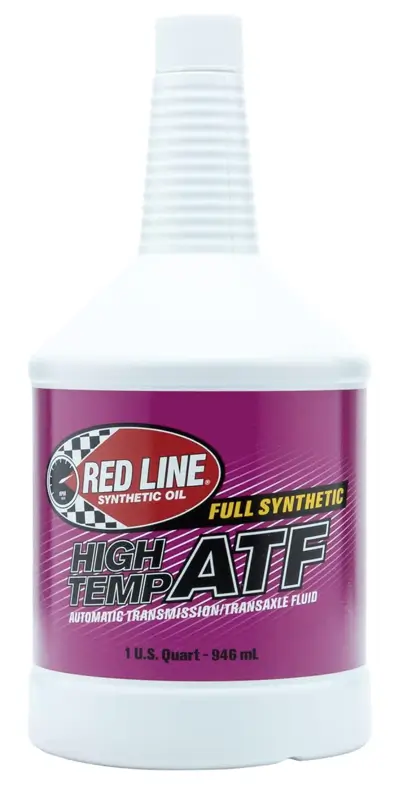
Red Line is another premium synthetic option known for outstanding heat resistance. Like Royal Purple, upgrading your ATF to Red Line can drop operating temperatures significantly – often more than any single additive bottle.
Features
- Designed for extreme heat and high-stress driving
- Maintains viscosity when hot, reducing internal friction
- Strong detergents help keep the transmission clean
- Highly resistant to oxidation and varnish
- Allows smoother, cooler operation under heavy load
- Available for automatic, manual, and dual-clutch transmissions
Related Transmission Fluid Dipstick Level(Complete Guide)
How Transmission Fluid Cooling Additives Work
Transmission cooling additives do not cool the transmission in the same way an external cooler does. Instead, they improve the ATF’s ability to reduce heat by:
1. Reducing friction
Less friction between clutch packs, gears, and bearings means less heat is generated during operation.
2. Stabilizing the fluid at high temperatures
Additives strengthen the thermal stability of ATF, allowing it to resist oxidation and maintain viscosity under stress.
3. Cleaning internal passages
Deposits and varnish restrict fluid flow through cooling circuits and valves. Cleaners restore proper flow, indirectly improving cooling.
4. Conditioning and sealing leaks
If the fluid level drops due to leaking seals, heat rises quickly. Additives that improve seal elasticity help maintain proper ATF levels.
5. Reducing foaming
Foamed ATF traps air, raises heat, and reduces lubrication quality. Anti-foaming agents help fluid circulate smoothly and disperse heat efficiently.
When combined with good ATF and, if needed, an auxiliary cooler, additives become an excellent support tool for extending transmission life.
Related TKX Transmission Fluid(Everything You Need to Know)
When You Should Use a Transmission Cooling Additive
Use an additive if:
- Your transmission runs hotter than normal
- You tow, haul, or drive in mountainous terrain
- You experience delayed shifts, mild shudders, or heat-related issues
- ATF looks dark but not burnt
- You want to extend maintenance intervals with better fluid stability
- You want to condition seals to prevent leaks
Consider a full fluid upgrade instead of just an additive if:
- Your ATF is burnt or smells sharp
- Shifting is harsh or slipping badly
- The vehicle has over 60,000 miles since the last service
- You recently purchased a used vehicle and don’t know the ATF history
Upgrading to a premium synthetic ATF (like Red Line or Royal Purple) often has a stronger cooling effect than using a small additive alone.
Tips for Best Cooling Results
- Check fluid level regularly — low fluid equals high heat.
- Service intervals matter — old ATF breaks down faster under heat.
- Always use the correct ATF type for your transmission.
- Consider installing an external cooler if you tow or live in hot regions.
- Use only one additive at a time unless the manufacturer approves combining them.
Related Case TCH Fluid Equivalent(For All Brands)
FAQs
What can I do to make my transmission run cooler?
You can lower transmission temperature by using high-quality synthetic ATF, installing an auxiliary transmission cooler, ensuring the fluid level is always correct, replacing clogged or old filters, cleaning cooling passages, reducing towing weight, and using a cooling-focused transmission additive.
Keeping the transmission clean and properly lubricated is the most effective way to prevent heat buildup.
Does transmission fluid additive work?
Yes, transmission fluid additives work when used correctly. They help reduce friction, improve thermal stability, condition seals, restore shift quality, clean varnish deposits, and support better fluid flow through the cooler. While they cannot fix mechanical failures, they are effective for heat reduction, minor leaks, and preventative maintenance.
Does transmission fluid help cool the transmission?
Yes. Transmission fluid is responsible for lubrication, hydraulic pressure, and cooling. As it circulates, it absorbs heat from internal components and transfers it to the cooler.
Healthy, clean, high-quality ATF is critical for keeping temperatures down, especially under towing or heavy load conditions.
What is the best additive for a transmission?
There is no single “best” additive for every situation, but the most effective ones for cooling and protection are those that improve thermal stability and reduce friction. Popular options include Lucas Transmission Fix, BG ATC Plus, Liqui Moly Transmission Cleaner (paired with a fresh fluid change), and premium synthetic ATFs like Royal Purple or Red Line, which offer the strongest long-term temperature control.
How to fix transmission high temperature?
Fixing high transmission temperature involves checking fluid levels, replacing old or burnt ATF, ensuring the cooler lines are not restricted, cleaning internal passages, installing or upgrading an external cooler, using a high-quality synthetic ATF, and adding an additive that supports cooling. If overheating continues, the transmission may have internal wear or a failing torque converter, which requires professional inspection.
What happens if your transmission fluid gets too hot?
If transmission fluid gets too hot, it oxidizes, becomes thin, loses lubricating ability, forms varnish, and causes harsh shifting, slipping, and internal damage. Prolonged overheating can burn clutch packs, damage seals, warp valves, cause leaks, and eventually lead to complete transmission failure. Keeping ATF temperatures under control is essential for long-term drivetrain health.
Final words
Transmission fluid additives designed for cooling can significantly reduce heat, improve shift quality, and extend transmission life – especially under heavy use. Lucas, BG ATC Plus, and Liqui Moly offer excellent treatment and conditioning options, while Royal Purple and Red Line provide top-tier synthetic ATF upgrades that naturally run cooler and resist thermal breakdown.