
Many drivers overlook this simple procedure, but maintaining the correct transmission fluid level can prevent costly repairs and extend the life of your vehicle. In this post, we’ll dive deep into understanding transmission fluid, how to check it, and what different dipstick readings mean.
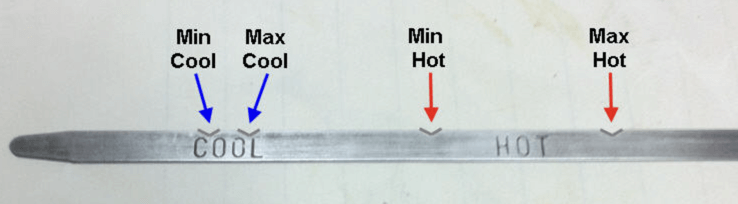
Transmission Fluid Dipstick Level
The transmission fluid dipstick is similar to the engine oil dipstick but serves a different purpose. It allows you to check the level and condition of the transmission fluid.
Most vehicles with automatic transmissions have a dipstick located near the back of the engine bay, close to the firewall. Some modern vehicles with sealed transmissions may not have a dipstick, requiring a mechanic to check the fluid using specialized equipment.
The dipstick typically has markings indicating the minimum (low) and maximum (full) fluid levels. Some dipsticks also indicate levels when the engine is hot versus cold. Checking the fluid regularly helps you catch leaks, burning fluid, or improper fluid levels before they cause serious damage.
How to Check Transmission Fluid Level
Checking your transmission fluid level is straightforward but requires attention to detail to get an accurate reading. Follow these steps for the best results:
1. Warm up your car: Transmission fluid expands when heated, so it’s important to check it after driving for 10–15 minutes. Most manufacturers recommend checking the fluid with the engine running and the car in park (or neutral for some vehicles).
2. Locate the dipstick: Open the hood and find the transmission dipstick. It often has a brightly colored handle (red, yellow, or orange).
3. Remove and wipe the dipstick: Pull the dipstick out and wipe it clean with a lint-free cloth. This ensures you get a clear reading on the next step.
4. Reinsert and remove the dipstick: Fully insert the dipstick back into the tube, then pull it out again to check the fluid level.
5. Read the level: The fluid should be between the “Full” and “Add” (or “Low”) marks. If it’s below the minimum, you need to add transmission fluid. If it’s above the maximum, you may have overfilled it, which can also cause problems.
6. Check fluid condition: Look at the fluid’s color and smell. Healthy fluid is typically bright red and clear. Dark or brown fluid, or fluid with a burnt smell, indicates it’s time for a fluid change.
Related Transmission Fluid Level Chart(For All Types)
Signs of Incorrect Transmission Fluid Level
Monitoring your dipstick regularly helps prevent transmission issues. Here are some common signs your fluid may be low or high:
- Low transmission fluid: Slipping gears, delayed shifting, rough or erratic shifting, and overheating.
- High transmission fluid: Foaming, erratic shifting, leaking from seals, and increased internal pressure.
Both conditions can damage your transmission, so it’s crucial to maintain the correct level.
Adding Transmission Fluid
If your dipstick shows that the fluid is low, you need to add the correct type of transmission fluid for your vehicle. Check your owner’s manual for specifications, as using the wrong fluid can cause serious damage. Add fluid slowly, in small amounts, and recheck the level with the dipstick to avoid overfilling.
Avoid using engine oil or other liquids as substitutes, they do not provide the same lubrication and hydraulic properties as transmission fluid.
Related Check Allison Transmission Fluid Level(Step by Step)
Tips for Accurate Dipstick Readings
- Always check the fluid when the vehicle is on a level surface.
- Follow the manufacturer’s guidelines for checking fluid when the engine is hot or cold.
- Use a clean rag to wipe the dipstick before taking a reading.
- Only add fluid gradually, checking the level frequently to prevent overfilling.
- Inspect the dipstick itself for metal shavings or debris, which could indicate internal wear.
Importance of Regular Transmission Fluid Checks
Regularly monitoring your transmission fluid level using the dipstick is a small effort that can save you significant repair costs. A healthy transmission fluid level ensures smooth performance, prevents overheating, and prolongs the life of your transmission components. Neglecting this simple maintenance step can lead to serious issues, including complete transmission failure, which is one of the most expensive repairs in a vehicle.
Even if your car is relatively new, checking the transmission fluid at least once a month is a good habit. For older vehicles or those with high mileage, checking more frequently can prevent costly breakdowns.
Related 62te Transmission Fluid Level Chart(Dipstick Height vs Temperature)
FAQs
How much transmission fluid should show on the dipstick?
The transmission fluid should be between the “Full” and “Add/Low” marks on the dipstick, with the engine warm and running, on a level surface. Fluid below the minimum indicates a need to add, while fluid above maximum can cause foaming and damage.
How to tell if transmission fluid is overfilled on a dipstick?
If the fluid level on the dipstick exceeds the “Full” mark, it is overfilled. Overfilled fluid may appear foamy, and your vehicle may experience erratic shifting or leaks from seals due to increased pressure.
How to tell if transmission fluid is low?
Transmission fluid is low when it reads below the “Add” or “Low” mark on the dipstick. Common symptoms include slipping gears, delayed shifting, overheating, or unusual noises during gear changes.
When you read the transmission dipstick, which side should you look at?
You should look at the side of the dipstick with the level markings, which usually indicate “Full” and “Add/Low.” Always check the markings carefully, as some dipsticks have separate hot and cold indicators.
What happens if I accidentally overfill transmission fluid?
Overfilling can cause foaming, erratic shifting, increased internal pressure, leaks, and premature wear on seals and transmission components. It may also reduce lubrication efficiency, leading to overheating.
How full should my dipstick be?
Your dipstick should read within the designated range, ideally near the “Full” mark, without exceeding it. This ensures proper lubrication, smooth shifting, and prevents damage caused by low or excessive fluid levels.
Final words
The transmission fluid dipstick is a simple but vital tool for keeping your vehicle’s transmission in good condition. By regularly checking your fluid level and condition, you can detect potential problems early, avoid damage, and ensure smooth operation of your car. Remember to use the correct type of fluid, add it carefully, and follow your manufacturer’s guidelines for checking the dipstick.