
Using the right fluid reduces wear, improves shift quality, prevents overheating, and extends the life of the transmission. This guide breaks down what you need to know and lists five of the best transmission fluids available for semi trucks.
Transmission Fluid for Semi Truck
1. Mobil Delvac Synthetic ATF
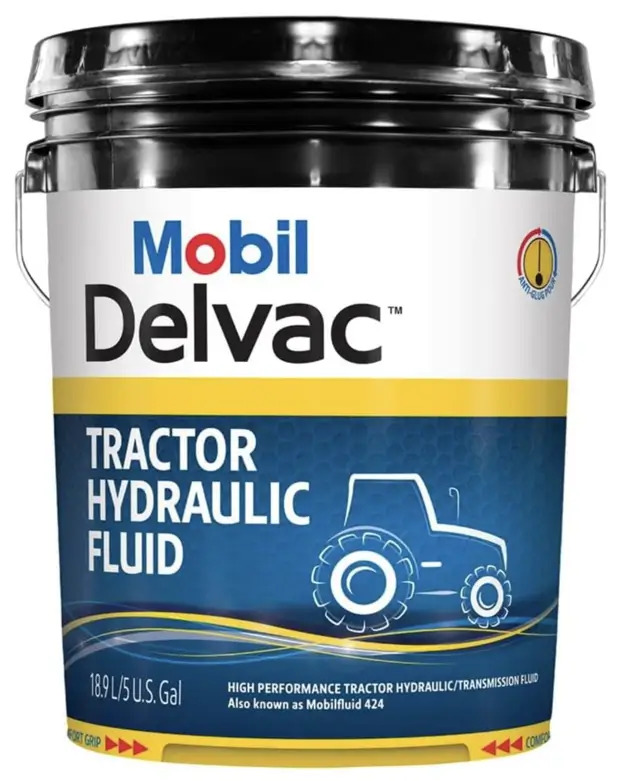
A trusted heavy-duty automatic transmission fluid designed for commercial vehicles.
Features:
- Full-synthetic formula for high-temperature protection
- Excellent thermal and oxidation stability
- Improved shift performance under heavy loads
- Good viscosity retention in severe operating conditions
- Suitable for cold starts and extreme climates
2. Mobil 1 Synthetic Automatic Transmission Fluid
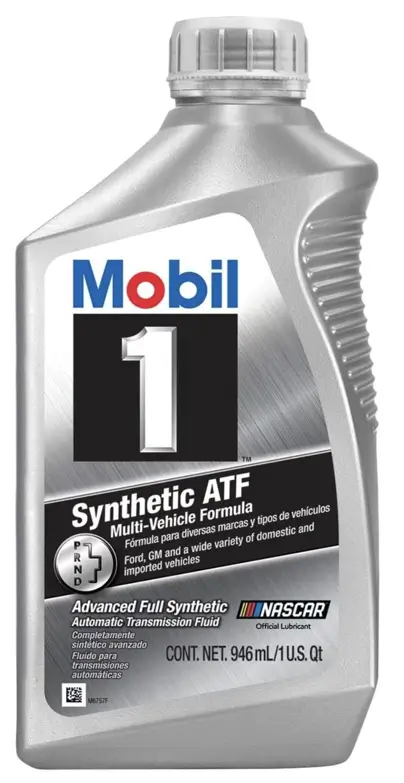
Mobil 1 ATF provides stable viscosity and consistent performance across a wide range of conditions.
Features:
- Synthetic base oils for long-lasting lubrication
- Designed to keep transmissions clean and efficient
- Strong shear stability for heavy-load operations
- Reliable performance in both hot and cold environments
Related Transmission Fluid Viscosity Chart(For All Fluid Types)
3. Royal Purple Max ATF (Synthetic)
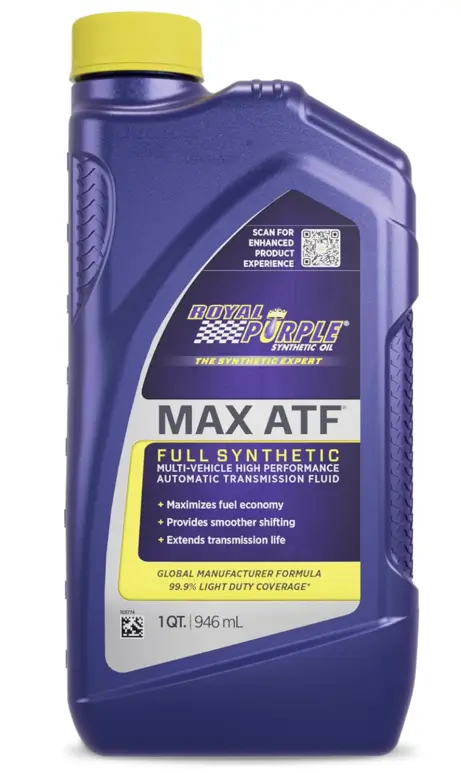
A premium, high-performance ATF designed for improved durability and shift quality.
Features:
- High film strength to reduce wear during heavy hauling
- Excellent thermal stability for long service life
- Synthetic formula resists oxidation and sludge.
- Enhances shift quality in high-mileage or older transmissions
4. AMSOIL Signature Series Multi-Vehicle Synthetic ATF
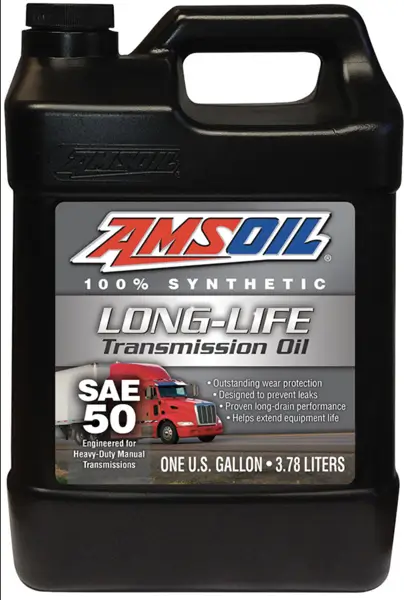
Well-known for extended service intervals and superior wear protection.
Features:
- Full-synthetic formulation engineered for long drain intervals
- Excellent oxidation resistance for severe-duty cycles
- Designed for multi-vehicle compatibility
- Strong shear stability under heavy loads
- Ideal for fleet operations with mixed transmission types
5. Shell Spirax S Series Transmission Oils
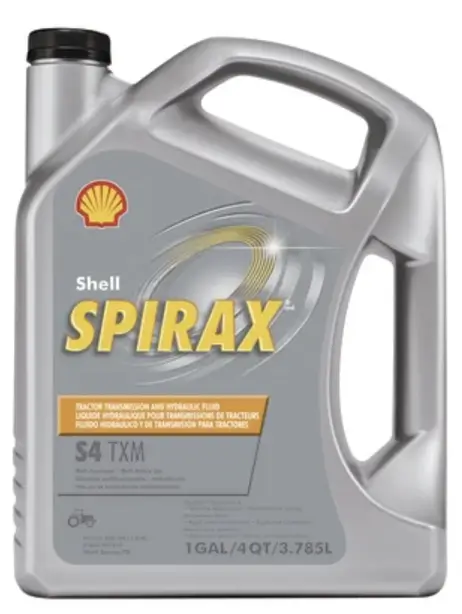
A heavy-duty line formulated for off-highway and on-highway commercial applications.
Features:
- Designed for heavily loaded transmissions and axles
- Strong protection against wear and pitting
- Maintains viscosity under severe gear loads
- Suitable for transmissions requiring high thermal stability
- Available in multiple grades depending on OEM requirements
Related Case TCH Fluid Equivalent(For All Brands)
Why Transmission Fluid Matters for Semi Trucks
Semi trucks operate under far more demanding conditions than passenger vehicles. The transmission must withstand high torque, heavy payloads, long idling periods, uphill climbs, and constant gear changes. Quality transmission fluid helps in:
- Lubrication: Reduces friction between moving components.
- Cooling: Dissipates heat generated during operation.
- Hydraulic function: Supports shifting and clutch engagement in automatic units.
- Protection: Prevents corrosion, oxidation, and deposits.
- Longevity: Helps extend transmission life and maintain shift smoothness.
What to Consider When Choosing Transmission Fluid
1. Know Your Transmission Type
Semi trucks may use:
- Automatic Transmissions (e.g., Allison): Require specific ATF formulations.
- Automated Manual Transmissions (AMT): Require specialized fluids that combine gear protection with controlled friction characteristics.
- Manual Transmissions: Typically require gear oil (such as 75W-90, 80W-140, or a specific OEM fluid).
2. Follow OEM Specifications
Always check your truck or transmission manufacturer’s manual. Using fluid that doesn’t meet the required specification can cause slipping, improper shifting, or component wear.
3. Select Synthetic for Heavy-Duty Use
Synthetic fluids handle high temperatures better, resist oxidation, maintain viscosity under load, and last longer between changes, ideal for trucks pulling heavy loads or operating in extreme conditions.
4. Avoid Mixing Fluid Types
Different fluids have different friction modifiers and additive packages. Mixing incompatible fluids may lead to poor shifting, reduced protection, or damage.
Related Ford Transmission Fluid Chart(For All Models)
How to Pick the Right Transmission Fluid for Your Semi
Step 1: Check Your Manual
This is the most reliable source for the correct fluid type, viscosity, and OEM certification.
Step 2: Match the Specification
Look for approvals such as:
- Allison TES 295 / TES 468
- Manufacturer-specific gear oil standards
- API GL-4 or GL-5 for manual units
- OEM-specific synthetic ATF requirements
Step 3: Consider Operating Environment
- Hot climates or mountain driving → synthetic recommended
- Cold climates → fluids with strong low-temperature viscosity
- Heavy haul or frequent stop-and-go → enhanced thermal stability needed
Step 4: Stick to Regular Maintenance
Even the best fluid breaks down over time. Follow recommended service intervals and monitor fluid color, smell, and shifting performance.
Related 2014 Chrysler Town and Country Transmission Fluid Level Chart
FAQs
Do semi-trucks have transmission fluid?
Yes. Semi-trucks use transmission fluid to lubricate gears, cool components, ensure smooth shifting, and protect the transmission from wear. Automatic and automated manual transmissions require ATF, while manual transmissions typically use gear oil, which serves a similar purpose.
What type of transmission fluid does a Freightliner use?
The exact type depends on the specific model and transmission. Many Freightliner trucks equipped with Allison automatic transmissions require fluids that meet TES 295 or TES 468 specifications. Manual or automated manual transmissions (such as Eaton Fuller) often use synthetic gear oil like 75W-90 or a manufacturer-approved transmission fluid. Always confirm through the truck’s manual or the transmission manufacturer’s guidelines.
Are transmission fluid and gearbox oil the same?
Not exactly.
- Transmission fluid (ATF) is used in automatic and some automated manual transmissions and contains friction modifiers, detergents, and hydraulic properties.
- Gearbox oil (gear oil) is thicker and used in manual transmissions and differentials. It focuses more on extreme-pressure protection.
They serve similar purposes but are not interchangeable unless the manufacturer specifies compatibility.
How often should I change semi-truck transmission fluid?
Change intervals vary by manufacturer and driving conditions. In general:
- Automatic/AMT transmissions: 75,000–150,000 miles for most heavy-duty units using synthetic ATF
- Manual transmissions: Often 250,000 miles or more, depending on gear oil type
Trucks in severe-duty service (mountains, heavy hauling, extreme heat) may need more frequent changes. Always follow OEM intervals.
How to check semi-truck transmission fluid level?
The procedure differs by transmission type, but typically involves:
- Parking on level ground
- Letting the engine idle (for most automatic transmissions)
- Engaging the parking brake
- Locating the transmission dipstick (if equipped)
- Pulling the dipstick, wiping it clean, reinserting, and checking the level
- Some modern trucks lack dipsticks and require checking fluid via a fill plug or using electronic diagnostics. Refer to the manual for the correct method.
How do I tell if my truck needs transmission fluid?
Common signs include:
- Hard or delayed shifting
- Slipping gears
- Overheating transmission
- Shuddering or vibration during shifts
- Dark, burnt-smelling fluid
- Warning lights or diagnostic codes
Related Type F Transmission Fluid Equivalent(For All Brands)
Final Thoughts
Choosing the right transmission fluid can significantly improve the performance and longevity of a semi truck’s transmission. Synthetic ATFs and gear oils offer superior protection, making them ideal for heavy-duty applications. The five products listed above are reliable, high-quality options widely used in commercial trucking, but always match the fluid to your vehicle’s exact specifications.