

The Turbo 400 transmission, commonly known as the TH400, Understanding the correct Turbo 400 transmission fluid capacity is essential for maintaining performance, prevent overheating, and extending the life of the transmission.
This guide explains TH400 fluid capacity in different situations, fluid types, service tips, and common mistakes to avoid.
Turbo 400 Transmission Fluid Capacity
The Turbo 400 (TH400) transmission fluid capacity typically requires 4 to 6 quarts, while a complete dry fill, including the torque converter, takes approximately 11 to 13 quarts of automatic transmission fluid. Vehicles equipped with a deep or aftermarket transmission pan may require 14 to 16 quarts total.
The TH400 is designed to use Dexron-compatible automatic transmission fluid, and the fluid level should always be checked with the engine running, the transmission warm, and the vehicle on level ground to ensure proper operation and prevent shifting or overheating issues.
Standard Fluid Capacity
- Dry fill (including torque converter):
- Approximately 11 to 13 quarts
- Pan drop and filter change only:
- Approximately 4 to 6 quarts
A standard service that involves removing the transmission pan and replacing the filter does not drain the torque converter. As a result, much of the old fluid remains inside the system, requiring significantly less new fluid.
Best Turbo 400 Transmission Fluids
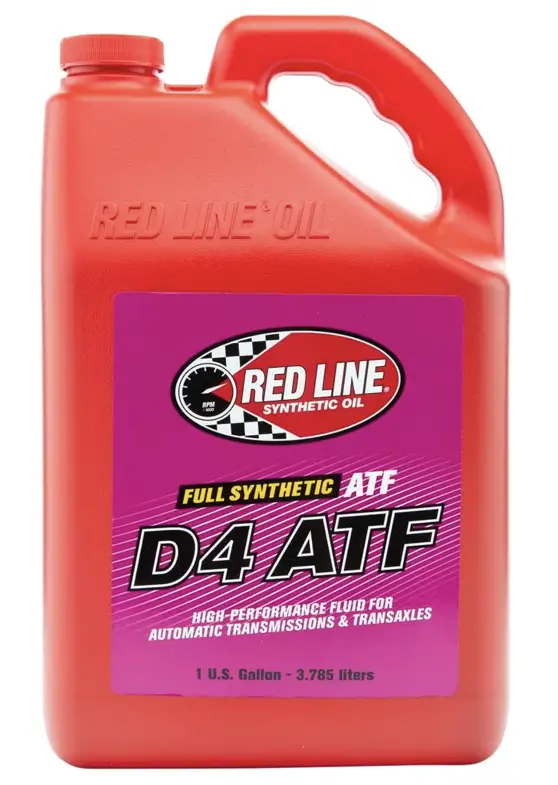
1. Red Line D4 Synthetic Automatic Transmission Fluid
Key Features:
- Full synthetic formulation designed for high-performance automatic transmissions
- Excellent resistance to heat, oxidation, and fluid breakdown
- Provides consistent shift quality under heavy load and high RPM
- Strong friction stability for clutch and band longevity
- Commonly used in street, strip, and racing Turbo 400 applications
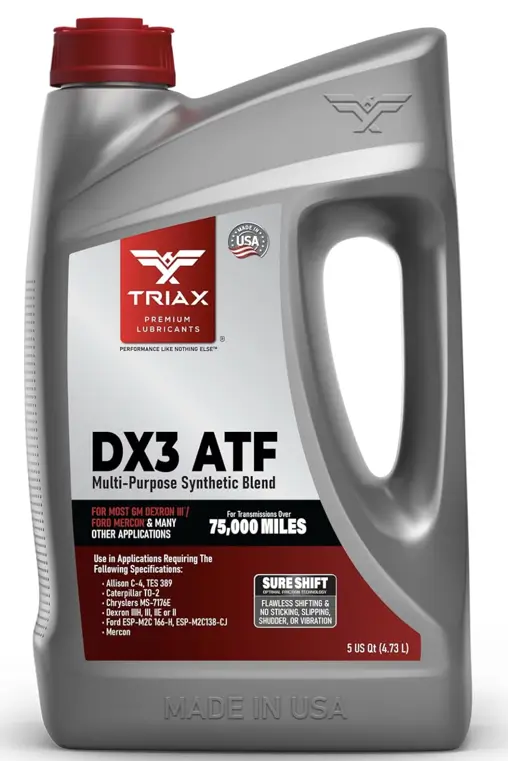
2. TRIAX DX3 Automatic Transmission Fluid (Dexron III Compatible)
Key Features:
- Dexron III compatible, suitable for classic GM transmissions like the TH400
- Designed to deliver smooth and reliable shifting
- Good protection against wear and sludge formation
- Stable viscosity across a wide temperature range
- Cost-effective option for stock or mildly built Turbo 400 transmissions
3. Valvoline Dexron VI Full Synthetic Automatic Transmission Fluid
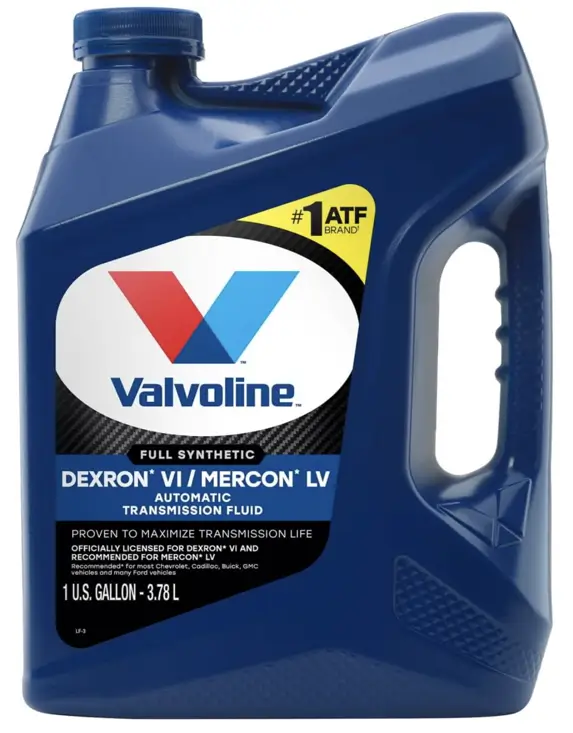
Key Features:
- Full synthetic ATF with advanced additive technology
- Excellent thermal and shear stability for extended service life
- Helps reduce transmission wear and improve shift consistency
- Widely trusted brand with proven performance in GM applications
- Frequently used in Turbo 400 units where high-quality synthetic ATF is preferred
Related TH350 Transmission Fluid Capacity(For All Configurations)
Fluid Capacity With Different Pan Types
The type of transmission pan installed plays a major role in total fluid capacity.
Stock Pan
- Capacity after service: 4 to 6 quarts
- Total system capacity: 11 to 13 quarts
Deep Transmission Pan
- Capacity after service: 7 to 9 quarts
- Total system capacity: 14 to 16 quarts
Deep pans are commonly used in performance and towing setups because they increase fluid volume, improve cooling, and reduce the risk of fluid starvation during hard acceleration or steep angles.
Related Transmission Fluid for Semi Truck(Top 5 Best Picks)
Recommended Transmission Fluid Type
The Turbo 400 transmission was originally designed to use Dexron automatic transmission fluid. Modern equivalents work well and offer improved protection.
Commonly Used Fluids
- Dexron III or Dexron VI compatible ATF
- High-performance synthetic ATF for racing or heavy-duty use
- Type F fluid (used by some racers for firmer shifts, not recommended for daily driving)
Using the correct fluid type ensures proper lubrication, clutch engagement, and heat control.
What Is the Turbo 400 Transmission?
The Turbo 400 is a three-speed automatic transmission designed to handle high torque and heavy loads. It was factory-installed in many GM vehicles, including Chevrolet, Pontiac, Buick, Oldsmobile, and Cadillac models. Over time, it also became popular in custom builds, drag racing, rock crawling, and towing applications.
Because of its heavy-duty design, the TH400 requires a relatively large amount of transmission fluid compared to lighter-duty transmissions.
Related Is Transmission Fluid Green(Normal or a Warning)
How to Check Turbo 400 Fluid Level
Checking the fluid level correctly is critical to avoid overfilling or underfilling.
Proper Procedure
- Start the engine and allow it to reach operating temperature
- Place the vehicle on level ground
- Shift through all gears, then return to Park or Neutral
- Leave the engine running
- Check the dipstick and add fluid if needed
The fluid should appear clean and red. Dark or burnt-smelling fluid indicates overheating or internal wear.
Why Correct Fluid Capacity Matters
Maintaining the proper Turbo 400 transmission fluid capacity is essential for several reasons.
Underfilling Risks
- Slipping gears
- Delayed shifting
- Increased internal wear
- Overheating
Overfilling Risks
- Foaming fluid
- Erratic shifting
- Fluid leaks from the vent
- Reduced lubrication efficiency
Both conditions can cause serious transmission damage if not corrected promptly.
Related Castrol Dexron III Automatic Transmission Fluid(Top 3 Best Picks)
When to Change Turbo 400 Transmission Fluid
Routine maintenance intervals depend on how the vehicle is used.
Typical Service Intervals
- Normal driving: Every 30,000 to 40,000 miles
- Heavy towing or off-road use: Every 15,000 to 20,000 miles
- Racing or extreme performance use: Inspect after every season
Regular fluid changes help remove contaminants and maintain consistent shift quality.
Tips for Filling a Turbo 400 Transmission
- Always add fluid gradually and recheck the level
- Use a funnel designed for transmission filling
- Do not rely solely on capacity numbers—check the dipstick
- Replace the filter during every pan service
- Inspect the pan for metal debris during fluid changes
These simple steps help prevent costly transmission issues.
Common Turbo 400 Fluid Capacity Mistakes
Many transmission problems are caused by incorrect filling practices.
Common Errors
- Filling the transmission with the engine off
- Not accounting for a deep pan upgrade
- Using the wrong fluid type
- Assuming all fluid drains during a pan drop
- Ignoring leaks or fluid discoloration
Avoiding these mistakes ensures long-term reliability.
Related How Much Fluid in a 700R4 Transmission(+ Recommended Oil)
FAQs
What type of transmission fluid goes in a Turbo 400?
The Turbo 400 (TH400) transmission is designed to use Dexron automatic transmission fluid, with Dexron III or Dexron VI–compatible ATF being the most commonly recommended options today. These fluids provide proper lubrication, heat resistance, and smooth shifting, making them suitable for both stock and performance TH400 applications.
How many quarts are in a TH400 transmission?
A TH400 transmission typically holds 11 to 13 quarts of fluid for a complete dry fill, including the torque converter. For a routine service involving only a pan drop and filter replacement, the capacity is usually 4 to 6 quarts, depending on the pan design.
Can I use ATF instead of ATF+4?
Yes, you can use standard Dexron-compatible ATF in a Turbo 400 transmission, but ATF+4 is not recommended. ATF+4 is specifically formulated for Chrysler transmissions and has different friction characteristics that may cause improper shifting or accelerated wear in a TH400.
What are the common problems with a Turbo 400 transmission?
Common Turbo 400 transmission problems include fluid leaks, harsh or delayed shifting, overheating, worn clutch packs, and vacuum modulator failure. Many of these issues are caused or worsened by low fluid levels, old or contaminated fluid, or improper maintenance.
Is a Turbo 400 and TH400 the same?
Yes, Turbo 400 and TH400 refer to the same transmission. “Turbo 400” is the informal name, while TH400 (Turbo Hydra-Matic 400) is the official General Motors designation used in service manuals and technical documentation.
Final Thoughts
The Turbo 400 transmission is known for its strength and longevity, but it relies heavily on proper fluid capacity and maintenance. Whether performing a routine fluid change or a complete rebuild, understanding how much fluid the TH400 requires is essential for optimal performance.
In most cases, expect to use 4 to 6 quarts for a basic service and 11 to 13 quarts for a full dry fill. Vehicles with deep pans or performance upgrades may require more. Always verify the level with the engine running and at operating temperature to ensure accuracy.