
Many Nissan models, such as the Altima, Sentra, Rogue, Murano, Pathfinder, Versa, and Maxima, rely on CVT systems. Using the wrong fluid can lead to overheating, slipping, shuddering, poor acceleration, or even complete transmission failure.
Nissan CVT Transmission Fluid
1. Nissan Genuine OEM NS-3 CVT Transmission Fluid

- The exact original equipment manufacturer fluid that your vehicle came with; use where nissan cvt ns-3 fluids are requir…
- Unique formulation of high quality friction modifiers and additives ensures stable, precise operation
- Offers superior low temperature fluidity for smoother shifting and maintains proper pressure in hot weather
This is the factory-recommended fluid for many newer Nissan vehicles equipped with Xtronic CVTs.
Features
- Genuine Nissan OEM fluid
- Designed specifically for Nissan CVTs
- Excellent heat resistance
- Provides smooth acceleration
- Helps reduce transmission wear
- Maintains proper hydraulic pressure
- Compatible with many newer Nissan models
Best For
- Nissan Altima
- Nissan Rogue
- Nissan Sentra
- Nissan Murano
- Nissan Pathfinder
Related Nissan CVT Transmission Fluid Change Cost(Complete Guide)
2. Valvoline CVT Full Synthetic Transmission Fluid
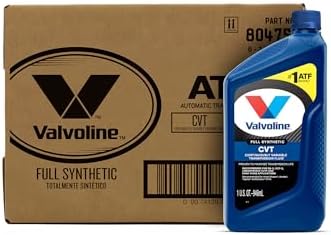
- Formulated with full-synthetic base stocks and advanced additive technology to meet the challenging demands of CVT trans…
- Excellent metal-to-metal protection and anti-shudder performance
- Developed with anti-wear technology to help improve transmission durability
Valvoline CVT fluid is a popular aftermarket alternative compatible with many Nissan CVT systems.
Features
- Full synthetic formulation
- High-temperature protection
- Anti-shudder performance
- Enhanced wear protection
- Smooth operation in extreme temperatures
- Compatible with Nissan NS-2 and NS-3 applications
- Helps extend transmission life
Best For
Drivers seek a high-quality synthetic replacement fluid at a lower cost than OEM fluid.
3. Castrol Transmax CVT Transmission Fluid
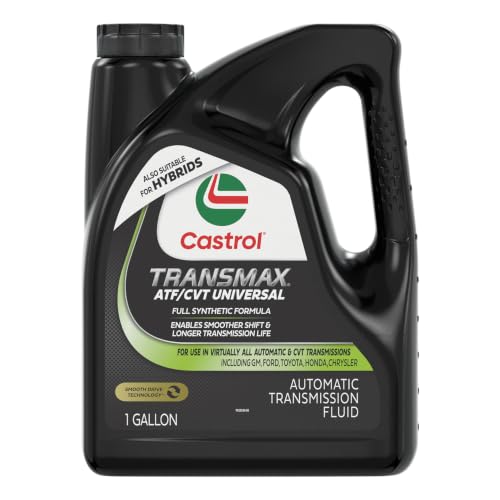
- For most automatic and & continuously variable transmissions including Ford, GM, Chrysler and Asian Imports
- Enhanced friction durability for smooth transmission performance
- Superior high temperature protection to effectively resist oxidation
Castrol Transmax CVT fluid is engineered for excellent performance and long-lasting protection.
Features
- Advanced synthetic technology
- Excellent thermal stability
- Superior metal protection
- Smooth and quiet transmission operation
- Prevents oxidation and sludge buildup
- Compatible with many Nissan CVT applications
- Improved low-temperature performance
Best For
Vehicles operating in harsh climates or high-mileage Nissan CVT systems.
Related Nissan Altima Transmission Fluid[Top 3 Best Picks 2026]
What Is Nissan CVT Transmission Fluid?
Nissan CVT transmission fluid is a specially formulated lubricant designed specifically for Nissan’s Xtronic CVT transmissions. It provides:
- Proper friction control
- Heat resistance
- Wear protection
- Smooth pulley and belt operation
- Corrosion prevention
Unlike regular automatic transmission fluid (ATF), CVT fluid contains unique additives engineered for the constant-variable gear ratios used in CVT systems.
Nissan commonly recommends:
- Nissan NS-1 CVT Fluid
- Nissan NS-2 CVT Fluid
- Nissan NS-3 CVT Fluid
The correct type depends on the model year and transmission design.
Related Transmission Fluid for 2011 Nissan Titan(Top 5 Best 2026)
Why Nissan CVT Fluid Is Important
CVT transmissions operate differently from standard automatics. Instead of fixed gears, CVTs continuously adjust gear ratios using pulleys and belts. This creates smoother acceleration and improved fuel economy.
The transmission fluid performs several essential functions:
Lubrication
The fluid reduces friction between moving metal parts and prevents premature wear.
Cooling
CVTs generate significant heat. The fluid helps transfer heat away from internal components.
Hydraulic Pressure
CVTs rely on hydraulic pressure for operation. Old or contaminated fluid can reduce pressure and affect shifting performance.
Protection
Special additives protect seals, pulleys, and belts from damage and corrosion.
Using incorrect or low-quality fluid may result in:
- Transmission slipping
- Delayed acceleration
- Overheating
- Noise or vibration
- Reduced fuel economy
- Expensive repairs
Related DW1 Transmission Fluid(Top 5 Best 2026)
How Often Should You Change Nissan CVT Fluid?
Nissan recommends inspecting CVT fluid regularly and replacing it based on driving conditions. Most experts suggest changing the fluid every:
- 30,000 to 60,000 miles for severe driving conditions
- 60,000 to 100,000 miles for normal driving
Severe driving includes:
- Stop-and-go traffic
- Towing
- Mountain driving
- Hot climates
- Frequent short trips
Regular fluid changes can significantly extend CVT life.
Related ATF MV Transmission Fluid(5 Best Options 2026)
Signs Your Nissan CVT Fluid Needs Replacement
Over time, transmission fluid degrades from heat and contamination. Here are common signs that your Nissan CVT fluid may need changing.
Shuddering or Jerking
The vehicle may shake or hesitate during acceleration.
Whining Noise
A whining or humming sound from the transmission can indicate worn fluid.
Delayed Response
Slow acceleration or delayed engagement when shifting into Drive or Reverse may occur.
Overheating
A transmission warning light or overheating symptoms may indicate deteriorated fluid.
Burnt Smell
Healthy CVT fluid usually smells slightly sweet. Burnt-smelling fluid indicates overheating.
Dark Fluid Color
Fresh CVT fluid is typically greenish or blue, depending on the type. Dark or dirty fluid suggests contamination.
Related Best Manual Transmission Fluid(Top 5 Picks 2026)
Can You Use Regular ATF in a Nissan CVT?
No. Regular automatic transmission fluid should never be used in a Nissan CVT unless specifically approved by Nissan.
CVTs require dedicated fluid chemistry to handle pulley friction and pressure. Using standard ATF can cause:
- Belt slipping
- Excessive wear
- Overheating
- Transmission failure
Always use Nissan-approved CVT fluid or a compatible equivalent that clearly states Nissan NS-2 or NS-3 compatibility.
How to Check Nissan CVT Fluid
Some Nissan CVTs do not have a traditional dipstick, making fluid inspection slightly more difficult. However, the general process includes:
- Park the vehicle on a level surface
- Warm the engine to operating temperature
- Shift through all gear positions
- Check the fluid level using the designated dipstick or inspection procedure
- Inspect fluid color and smell
If unsure, consult the owner’s manual or a certified technician.
Related Honda CVT Transmission Fluid(5 Best Options 2026)
How Much CVT Fluid Does a Nissan Need?
Fluid capacity varies by model and transmission type. Common Nissan CVT capacities include:
A simple drain-and-fill usually requires less fluid than a complete flush.
Should You Flush or Drain CVT Fluid?
Most transmission experts recommend a drain-and-fill service rather than a power flush for Nissan CVTs.
Drain-and-Fill Benefits
- Safer for aging transmissions
- Removes a portion of old fluid gradually
- Less risk of internal damage
- More affordable
Flush Benefits
- Replaces nearly all old fluid
- Better for severely contaminated systems
If the transmission has very high mileage and a poor maintenance history, aggressive flushing may sometimes cause problems.
Tips for Extending Nissan CVT Life
To maximize transmission lifespan:
- Use only approved CVT fluid
- Change fluid regularly
- Avoid aggressive acceleration
- Prevent overheating
- Repair leaks immediately
- Do not exceed towing limits
- Keep the cooling system maintained
Proper maintenance can help Nissan CVTs last well over 150,000 miles.
Final words
Nissan CVT transmission fluid plays a critical role in maintaining smooth performance, fuel efficiency, and transmission durability. Because CVTs operate differently from conventional automatics, they require specialized fluid designed specifically for pulley-and-belt systems.
Using high-quality fluids such as Nissan Genuine NS-3, Valvoline CVT Full Synthetic, or Castrol Transmax CVT can help reduce wear, prevent overheating, and extend transmission life. Regular maintenance and timely fluid changes are essential for avoiding costly repairs and ensuring reliable operation for years to come.