


If you want to protect your truck from rust, one of the most common questions is how much Fluid Film do you need for a truck?
This guide explains how much Fluid Film you’ll need, factors that affect usage, and tips for getting the best rust protection.
How Much Fluid Film For Truck
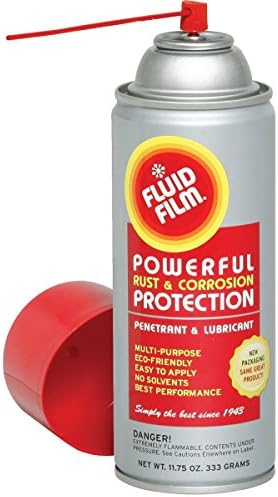
Most pickup trucks require 3 to 6 aerosol cans of Fluid Film, or about 1 to 2 gallons when using a professional spray gun, for a complete underbody rust-proofing treatment. The exact amount depends on the truck’s size, the level of existing rust, and the areas being coated.
| Truck Type | Aerosol Cans | Gallons |
|---|---|---|
| Compact pickup | 3–4 cans | ¾–1 gallon |
| Mid-size pickup | 4–5 cans | 1 gallon |
| Full-size pickup | 5–6 cans | 1–1.5 gallons |
| Heavy-duty truck (2500/3500) | 6–8 cans | 1.5–2 gallons |
| Commercial truck | 2–4 gallons | Depends on size |
If you’re treating only the frame rails and suspension, you’ll use less product than if you’re coating the entire underbody, wheel wells, and inside body panels.
Related How Much Power Steering Fluid Does a Car Need

- Ergonomic Design Allows You To Quickly Achieve Professional Finish Results!
- Full hand grip arthritis-friendly trigger design, which eliminates finger fatigue.
- Provides Accurate Spray Control To Help Ensure A Smooth Finish, While Minimizing The Risk of Getting Paint Runs.

- Item Weight: 8.0 lb
- Country of Origin: United States
- Brand name: Eureka
Factors That Affect Fluid Film Usage
Several things determine how much Fluid Film you’ll need.
1. Truck Size
Naturally, larger trucks have more metal surfaces that require protection.
For example:
- Toyota Tacoma uses less than a Ford F-350.
- Chevrolet Colorado requires less than a Silverado 2500HD.
- Commercial flatbeds need considerably more.
2. New vs. Rusty Truck
A newer truck with clean metal requires only a thin protective coating.
An older truck with surface rust absorbs much more product because rough metal surfaces retain additional coating.
Expect to use:
- 20–30% more on rusty vehicles
- Less on clean, painted frames
Related How Much Transmission Fluid Do I Need(for All Vehicles)
3. Application Method
The amount used depends heavily on how you apply it.
Aerosol Cans
Pros
- Easy to use
- No equipment required
- Great for DIY users
Cons
- More expensive per ounce
- Less efficient
- More overspray
Spray Gun
Bulk Fluid Film applied with an undercoating gun is much more economical.
Benefits include:
- Better coverage
- Faster application
- Lower cost
- Ability to spray inside frame rails
Professional shops almost always use gallon containers with spray equipment.
Related How Long Does DEF Fluid Last in a Truck(All Truck Types)
4. Areas Being Coated
Some owners spray only the frame.
Others coat:
- Frame rails
- Suspension
- Brake line brackets
- Crossmembers
- Axles
- Fuel tank straps
- Rocker panels
- Wheel wells
- Inside doors
- Tailgate
- Hood seams
- Cab supports
The more areas you protect, the more Fluid Film you’ll use.
Typical Fluid Film Usage by Area
| Area | Estimated Amount |
|---|---|
| Frame only | 2–3 cans |
| Frame + suspension | 3–5 cans |
| Full underbody | 5–6 cans |
| Complete truck including cavities | 6–8 cans |
Related How Do You Know If a Transmission Is Slipping(10 Key Signs + Causes)
How Long Does Fluid Film Last?
Fluid Film remains soft and self-healing instead of drying into a hard coating.
Most applications last:
- 12 months in mild climates
- 6–12 months in snowy regions
- Up to 18 months with light use
Most truck owners reapply it once every year before winter.
Should You Apply Fluid Film Every Year?
Yes.
Annual applications provide the best protection against:
- Road salt
- Moisture
- Snow
- Ice
- Coastal environments
Many owners make it part of their yearly maintenance routine alongside oil changes and tire rotations.
Where Should You Spray Fluid Film?
Recommended areas include:
Frame Rails
These are among the first places trucks begin rusting.
Crossmembers
These collect mud and road salt.
Suspension Components
Protect:
- Control arms
- Leaf springs
- Trailing arms
- Mounting brackets
Axles
Both front and rear axle housings benefit from corrosion protection.
Wheel Wells
Wheel wells receive constant exposure to water and road debris.
Rocker Panels
Many trucks rust from the inside out.
Spraying inside rocker panels dramatically slows corrosion.
Inside Frame
Use a cavity wand to spray inside:
- Frame rails
- Doors
- Tailgate
- Hood
- Cab supports
Internal corrosion is one of the biggest causes of structural rust.
How to Apply Fluid Film
Step 1: Wash the Truck
Remove:
- Dirt
- Mud
- Road salt
- Grease
Allow everything to dry thoroughly.
Step 2: Remove Loose Rust
Use:
- Wire brush
- Wire wheel
- Scraper
There’s no need to remove every bit of rust.
Step 3: Mask Sensitive Areas
Avoid spraying:
- Brake rotors
- Brake pads
- Exhaust manifolds
- Oxygen sensors
- Drive belts
Step 4: Apply Even Coats
Spray a light, even coating over metal surfaces.
Avoid excessive dripping.
Step 5: Spray Hidden Cavities
Use an extension wand for:
- Frame rails
- Doors
- Rockers
- Tailgate
These areas often rust first because moisture becomes trapped inside.
Benefits of Using Fluid Film
Truck owners choose Fluid Film because it offers several advantages.
Benefits include:
- Prevents rust formation
- Stops existing rust from spreading
- Penetrates seams
- Safe on most painted surfaces
- Safe for rubber and plastics
- No solvents after application
- Excellent salt protection
- Self-healing coating
- Easy to reapply
- Long-lasting corrosion resistance
Common Mistakes to Avoid
Applying to a Wet Truck
Water trapped beneath the coating reduces effectiveness.
Skipping the Inside of the Frame
Internal rust often causes the worst damage.
Always spray inside frame rails whenever possible.
Overusing the Product
A thicker coating does not necessarily provide better protection.
A uniform coat works best.
Ignoring Annual Maintenance
Fluid Film slowly washes away over time.
Regular reapplication keeps protection at its highest level.
FAQs
Can one can of Fluid Film cover an entire truck?
No. One aerosol can typically covers only a portion of the underbody. Most trucks require several cans for complete coverage.
Is one gallon enough for a pickup truck?
Yes. One gallon is usually enough for a complete treatment on a mid-size or full-size pickup when applied with a spray gun. Larger trucks or heavier applications may require more.
Does Fluid Film stop existing rust?
Fluid Film does not remove rust, but it helps prevent moisture and oxygen from reaching the metal, slowing further corrosion.
Can you apply Fluid Film over rust?
Yes. It is commonly applied over light to moderate surface rust after removing any loose, flaky rust.
How often should I reapply Fluid Film?
For the best protection, reapply every 12 months. In regions with heavy road salt or frequent off-road use, inspecting and touching up the coating every 6 to 12 months is a good practice.
Final Thoughts
Most truck owners will need 3 to 6 aerosol cans or approximately 1 to 2 gallons of Fluid Film to protect a pickup truck thoroughly. The exact amount depends on the truck’s size, existing rust, and how extensively you coat the underbody and hidden cavities.
Applying Fluid Film annually helps protect the frame, suspension, and body panels from corrosion, extending the life of your truck and reducing costly rust repairs.