
DCT dual clutch fluid is a specialized lubricant designed for vehicles equipped with a dual-clutch transmission (DCT).
This guide explains what DCT fluid does, the different types available, how to choose the right product, and three options worth considering.
DCT Dual Clutch Fluid
1. Red Line DCTF Dual Clutch Transmission Fluid
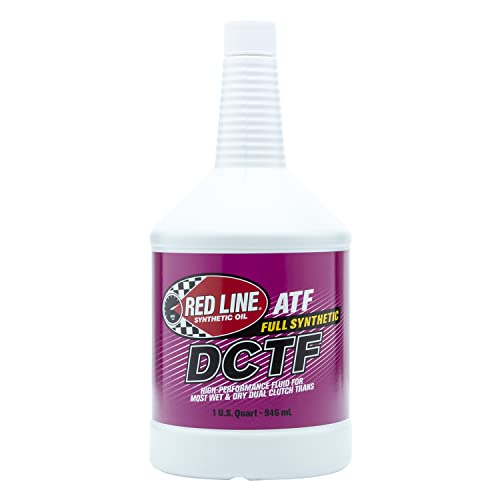
- DESIGNED TO PROVIDE – extreme protection in many wet- and dry-style dual clutch transmissions
- ALLOWS – high-temp operation without varnishing valves and clutches, reduced oxidation and lower volatility at high temp…
- COMPATIBLE WITH – other lubricants designed for dual clutch transmissions, follow owners manual for service intervals
Red Line DCTF is a synthetic dual-clutch transmission fluid designed for compatible DCT applications. It is formulated to provide appropriate friction characteristics, lubrication, and protection under demanding operating conditions.
2. Valvoline Dual Clutch Transmission Fluid

- Formulated with premium friction modifiers to ensure smooth shifting performance under variable driving conditions
- Formulated with premium synthetic base oils to minimize thermal breakdown and deposits
- Advanced anti-wear technology to better prevent gear wear
Valvoline Dual Clutch Transmission Fluid is a specialized lubricant designed for compatible dual-clutch transmission applications. It provides lubrication and wear protection while supporting the friction characteristics required for proper clutch operation.
Key features:
- Formulated for compatible dual-clutch transmissions.
- Helps protect internal transmission components against wear.
- Provides lubrication for transmission gears and moving parts.
- Supports consistent transmission performance.
- Helps maintain reliable operation under demanding driving conditions.
- Available in a convenient one-quart container.
Related Dodge Viper Dual Clutch Transmission Swap(Complete Guide)
3. Liqui Moly 8100 Dual Clutch Gear Oil
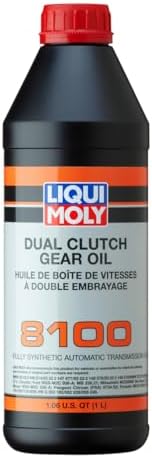
- outstanding engine cleanliness
- especially suitable for vehicles with diesel particulate filter
- excellent wear protection
Liqui Moly 8100 Dual Clutch Gear Oil is another option for drivers looking for a specialized lubricant for compatible DCT systems. It is formulated to provide lubrication and protection while supporting the friction requirements of the transmissions for which it is specified.
The product is available in a one-liter container, making it convenient for certain maintenance and fluid replacement jobs.
Key features:
- Synthetic dual-clutch transmission lubricant.
- Designed for specified DCT applications.
- Helps reduce friction and component wear.
- Supports reliable lubrication under different operating conditions.
- Helps protect internal transmission components.
- Available in convenient one-liter packaging.
Note: These products are not universal substitutes for one another. Confirm the exact fluid specification in your vehicle’s service manual before purchasing.
Related Motorcraft Dual Clutch Transmission Fluid Equivalent[3 Best Options 2026]
What Is DCT Dual Clutch Fluid?
DCT fluid is a specially formulated transmission lubricant used in certain dual-clutch transmissions. A DCT combines characteristics of manual and automatic transmissions, using two clutches to control odd and even gear sets.
One clutch handles gears such as first, third, and fifth, while the other controls second, fourth, and sixth gears. This arrangement allows the transmission to prepare the next gear before shifting, resulting in faster gear changes.
Depending on the transmission design, DCT fluid may perform several functions:
- Lubricates gears, bearings, and other moving components.
- Reduces friction and mechanical wear.
- Helps control operating temperatures.
- Protects internal components against corrosion.
- Supports hydraulic operation in applicable wet-clutch systems.
- Helps maintain consistent clutch engagement and shifting performance.
The exact functions depend on whether the transmission uses wet or dry clutches.
Related LHM Brake Fluid Equivalent(4 Best Options 2026)
Wet DCT Fluid vs. Dry DCT Systems
Understanding the difference between wet and dry dual-clutch transmissions is important when purchasing transmission fluid.
Wet Dual-Clutch Transmission
A wet DCT uses clutch packs that operate in transmission fluid. The fluid lubricates and cools the clutches while also protecting other internal components.
Wet-clutch systems generally require specialized DCT fluid with carefully controlled friction characteristics. Using an incompatible lubricant can affect clutch engagement, shifting quality, and transmission durability.
Dry Dual-Clutch Transmission
A dry DCT uses clutch assemblies that operate without being immersed in transmission fluid. The transmission still requires lubrication for its gears and other mechanical components, but it may use a different lubricant specification.
Some dry DCT designs have separate lubrication systems for their gearboxes and hydraulic components.
Important: Never assume that a fluid labeled DCT is suitable for every dual-clutch transmission. Always check the vehicle manufacturer’s fluid specification, transmission code, and service requirements.
Related DCT Transmission Fluid[3 Best Options 2026]
How to Choose the Right DCT Fluid
Choosing the correct DCT fluid requires more than checking the label for the words dual clutch transmission. Different manufacturers use different transmission designs, friction requirements, and fluid specifications.
Consider these factors before buying:
1. Vehicle Manufacturer Specification
Check your owner’s manual or manufacturer’s service information. Look for the required DCT fluid specification or original equipment part number.
2. Transmission Model
Identify the actual transmission model or code. Two vehicles from the same manufacturer may use different DCT systems requiring different lubricants.
3. Wet or Dry Clutch Design
Determine whether your transmission uses wet or dry clutches. This helps identify the correct lubrication requirements.
4. Fluid Compatibility
Do not assume that two synthetic DCT fluids are interchangeable. Their additive packages, viscosity, and friction characteristics may differ.
5. Genuine Product Packaging
Purchase from a reputable seller and check the product part number, packaging, and manufacturer information to avoid counterfeit or incorrectly labeled fluids.
Related BW44-44 Fluid Equivalent[3 Best Options 2026]
When Should You Change DCT Fluid?
DCT fluid replacement intervals vary depending on the vehicle manufacturer, transmission design, and driving conditions.
Some wet-clutch transmissions require fluid replacement at scheduled mileage intervals, while other systems have different maintenance requirements. Dry-clutch transmissions may also have separate service intervals for gearbox lubricant and hydraulic fluid.
Common factors that can influence fluid service requirements include:
- Frequent stop-and-go driving.
- Heavy towing or carrying heavy loads.
- Repeated aggressive acceleration.
- Driving in high temperatures.
- Extended operation in heavy traffic.
- Manufacturer-recommended mileage or time intervals.
Always follow the maintenance schedule for your specific transmission rather than relying on a universal DCT fluid replacement interval.
Signs Your DCT Fluid May Need Attention
Transmission problems can have several causes, but contaminated, degraded, or incorrect fluid may contribute to poor performance in systems that use it.
Watch for these symptoms:
1. Rough Gear Changes
The transmission may hesitate, jerk, or shift less smoothly than usual.
2. Delayed Engagement
You may notice a delay when selecting Drive or Reverse.
3. Unusual Transmission Noises
Whining, grinding, or other abnormal sounds may indicate lubrication or mechanical problems.
4. Transmission Overheating
Degraded fluid or an incorrect fluid level may contribute to excessive operating temperatures.
5. Transmission Warning Lights
Some vehicles display a warning when the transmission control system detects a problem.
These symptoms do not automatically mean the DCT fluid needs replacement. Clutch wear, mechatronic problems, sensors, and other mechanical faults can produce similar warning signs.
Can You Use Regular ATF in a DCT Transmission?
In most cases, you should not substitute conventional automatic transmission fluid for specialized DCT fluid unless the vehicle manufacturer explicitly approves that particular product.
DCT systems require specific friction characteristics and lubrication properties. Conventional ATF may not provide the correct performance for the clutch assemblies and internal components.
Using an incompatible fluid can cause shifting problems, clutch slippage, overheating, and premature component wear.
Similarly, ordinary manual transmission gear oil should not be used unless it meets the exact specification required by the manufacturer.
How Much DCT Fluid Does a Transmission Need?
DCT fluid capacity depends on the transmission model and vehicle application. Some systems require only a few liters, while others need more fluid when performing a complete service.
The amount required for a drain-and-fill service may also differ from the total dry transmission capacity.
When replacing DCT fluid, follow the manufacturer’s filling procedure. Some transmissions require a specific fluid temperature, vehicle position, and diagnostic equipment to establish the correct fluid level.
Overfilling and underfilling can both cause transmission problems.
Is DCT Fluid the Same as DSG Fluid?
DCT and DSG are closely related terms. DCT stands for Dual-Clutch Transmission, while DSG stands for Direct-Shift Gearbox, a name commonly associated with Volkswagen Group transmissions.
Both use two clutches to facilitate fast gear changes. However, their fluid requirements depend on the particular transmission design.
Some DSG transmissions require specialized VW-approved fluids, while BMW, Ford, Hyundai, and other manufacturers may have their own specifications.
Never purchase fluid based on the DCT or DSG label alone. Check the required manufacturer specification.
Final Thoughts
DCT dual clutch fluid plays an important role in maintaining transmission lubrication, protecting internal components, and supporting smooth gear changes. However, selecting the correct product is essential because wet and dry DCT systems have different lubrication requirements.
Red Line DCTF, Pentosin FFL-4, and Liqui Moly 8100 are three products worth considering for their specified applications.
Before purchasing, confirm your transmission model and the exact manufacturer fluid specification. Using the correct lubricant and following the recommended maintenance schedule can help extend transmission life and prevent unnecessary repair costs.